Find out who is responsible for a fallen tree and how to handle property damage. Expert guidance on liability and safety for fallen trees across the UK.
What Counts as a “Fallen Tree” Problem?
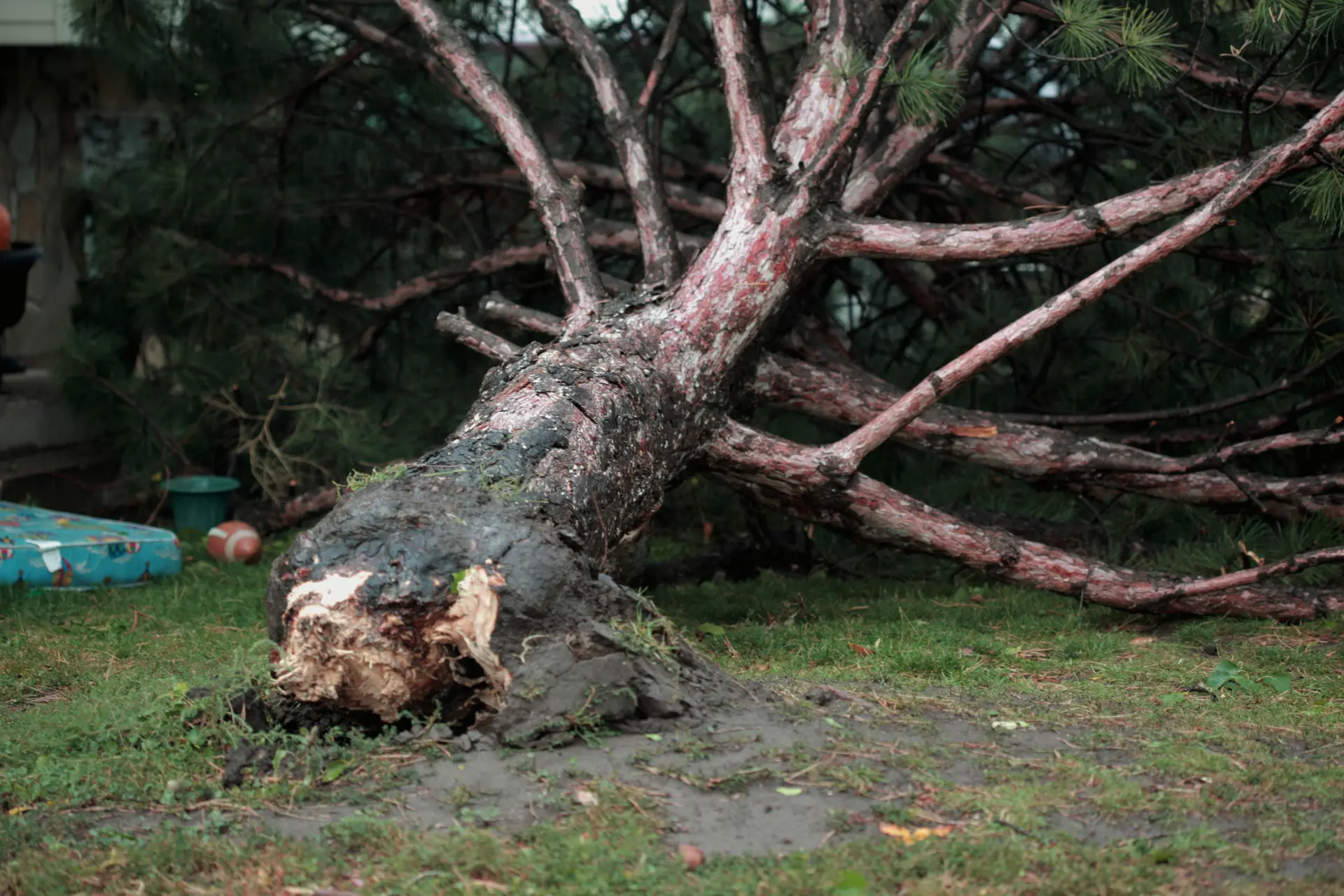
A fallen tree problem is not only when a whole tree lies on the ground. It can also be a large limb that snaps off and lands on a roof, a shed, a car, a fence, or across a driveway. If it blocks access, damages property, or creates a safety risk, it counts as a problem that needs action.
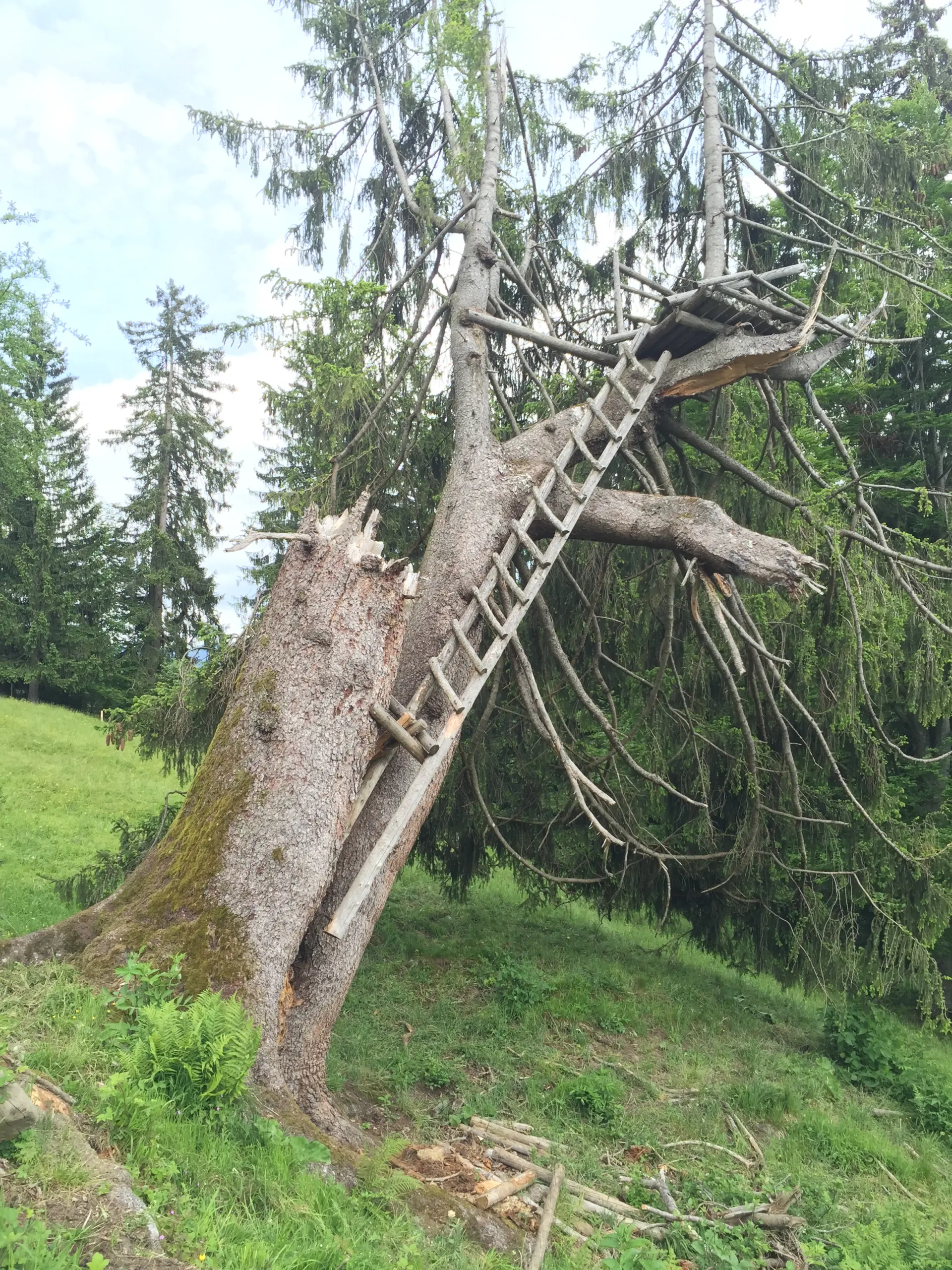
It also includes trees that are partly fallen or hanging. For example, a trunk that has split, a branch caught in another tree, or a tree leaning after heavy wind can be just as dangerous as one that is fully down. These situations matter because people can be hurt even if nothing has hit the ground yet.
Another common issue is a tree that falls and causes damage somewhere else, like pulling down power lines, breaking a wall, or flooding a drain with leaves and debris. In these cases, there may be more than one type of damage, and more than one group involved in fixing it.
It is also a fallen tree problem when a tree becomes dangerous because of neglect, not only because of a storm. A dead or rotting tree that drops parts without strong winds can point to poor care. That difference can affect who pays, especially when neighbours, insurers, or local authorities get involved.
When It Is the Homeowner or neighbours Responsibility
In many scenarios, the owner of the land where the tree grows is typically the one responsible for looking after it. This means they should take all the necessary steps to keep it safe, for example, they should remove any dead branches, address signs of disease, and arrange inspections if the tree appears unstable.
If a tree falls from your land onto your own house, garden, or driveway, it is usually your responsibility to deal with the final clean-up and repairs. Your home insurance may help you, but it all depends on your policy and what caused the fall. Some policies cover storm damage, while others have limits for garden trees.
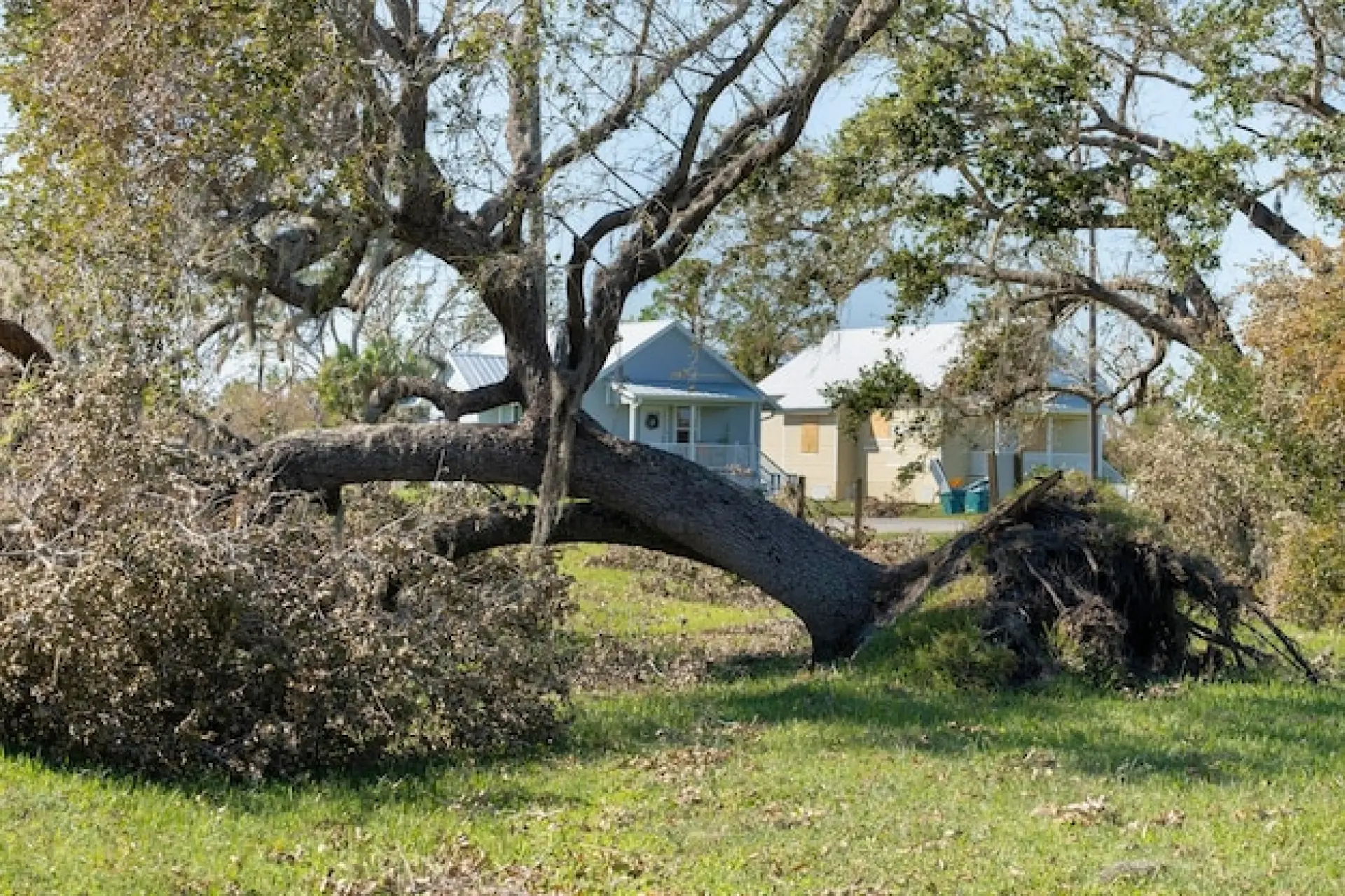
If a tree falls from your neighbour’s land onto your property, it is not always as simple as “they must pay”. If the tree was healthy and it fell because of extreme weather, your insurer may deal with your damage, and your neighbour may not be legally at fault. It can feel unfair, but the cause of the damage always matters.
However, if the tree shows clear warning signs and your neighbour ignores them, your neighbour may be held responsible. For example, if the tree was clearly dead, badly leaning, or had visible rot, and they did nothing after being told, that can suggest major negligence. In that situation, you may be able to claim costs from them, and this is usually done through insurers rather than a direct payment.
Shared Boundaries: Who Pays When It Falls on the Fence Line?
Shared boundaries can be confusing because fences, walls, and hedges are not always owned equally. A tree on the fence line might be jointly owned, or it might sit just inside one side, even if it looks centred. The exact position of the trunk at ground level usually matters more than how the branches spread.
If a tree is jointly owned, both parties may share responsibility for maintaining it. That can mean sharing the cost of pruning, safety checks, and removal if it becomes unsafe. If it falls and damages a shared fence, it is often sensible to split the cost, even if the law is not perfectly clear.
If the tree sits on one person’s land but falls onto the boundary fence, the landowner may be responsible for the tree’s upkeep. But payment for the fence repair can depend on who owns the fence. Many homes have fences owned by one side, not both, and that can completely change who pays for any repairs.
Where there is disagreement, it helps to stay calm and stick to facts. Check your property deeds or the Land Registry title plan if you have it. If that does not settle it, the insurers can sometimes handle the issue, and formal legal advice may be needed for serious damage. A friendly written agreement with your neighbour is often the quickest way to avoid a long dispute.
Trees Near Roads and Paths: When the Council Is Responsible
If a tree falls onto a public road, pavement, or public footpath, it may be the responsibility of the local council or highways authority. These bodies look after many public trees, including those in parks, on verges, and along streets. Their duties usually focus solely on public safety and keeping routes clear.
Responsibility depends on where the tree was growing. A tree that looks like it is “by the road” might still be on private land. Some trees sit inside a front garden but overhang the pavement. In that case, the landowner may still be responsible for maintenance, even though the public uses the area nearby.
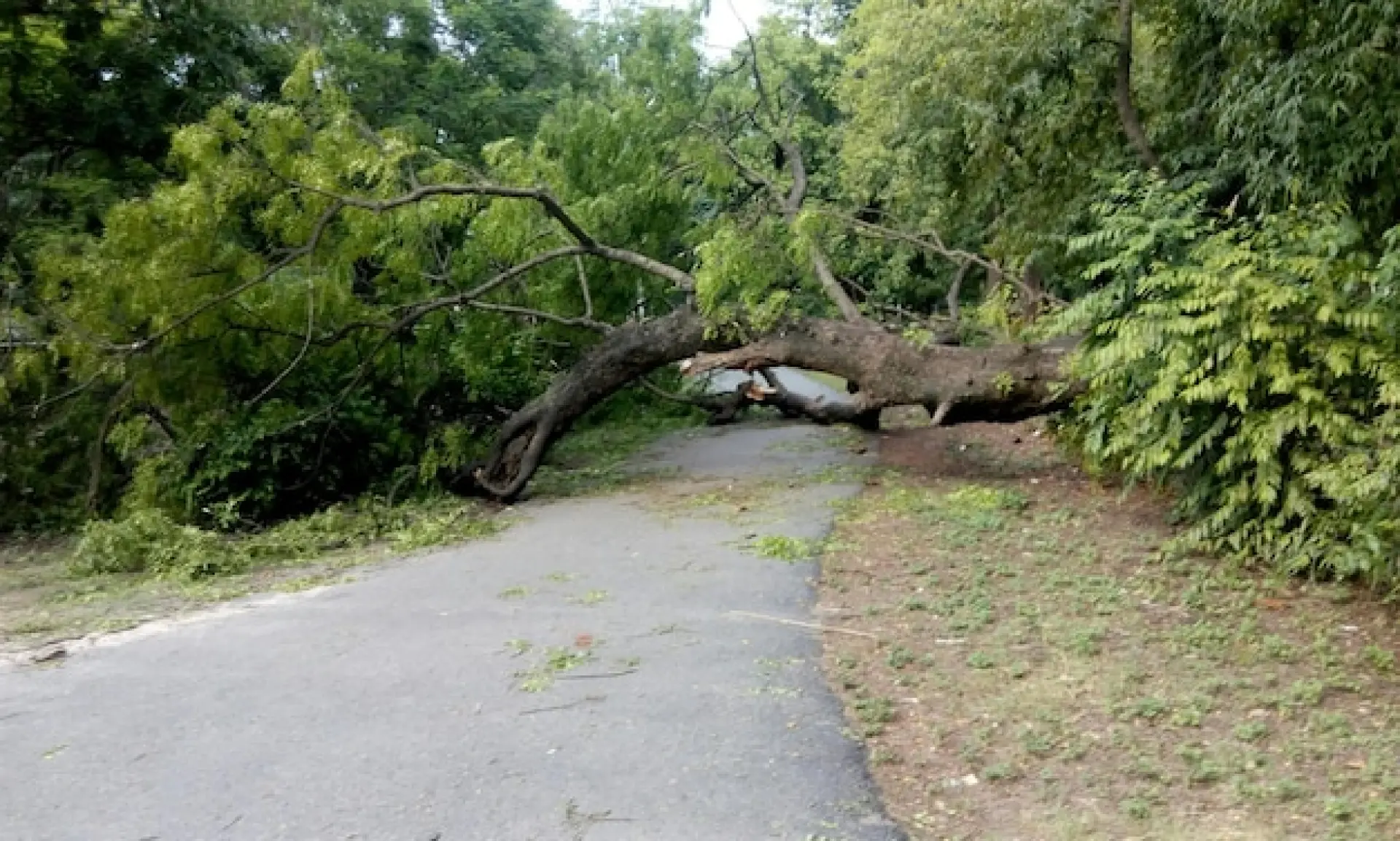
Councils are more likely to be responsible if the tree is on council-owned land, such as a public park, a housing estate managed by the council, or a maintained roadside verge. If it falls and causes damage, you may need to show that the council failed to take reasonable care, not simply that the tree fell.
If a tree is blocking a road or path, the first priority is safety. You should report it as urgently as you can to the council or highways team, and call emergency services if there is immediate danger. The immediate dangers at hand may be downed power lines or a blocked main road. Even when the council is responsible for removal, your own insurer may still handle damage to your property first and then recover costs if appropriate.
How to Prove Responsibility: Photos, Dates, and Tree Condition
Good evidence will make a big difference when deciding who is responsible. Always start by taking clear photos from several angles, including where the tree was rooted, where it landed, and any damage caused. Try to include a wide shot that shows context, plus close-ups of key details like cracks, rot, or broken sections.
Dates matter, so record them carefully. Make a note of when you first noticed any signs of danger, when the tree fell, and when you contacted anyone about it. If you reported concerns before the fall, keep copies of messages, emails, or letters. A simple timeline can help insurers or authorities understand what happened.
Tree condition is often the key point in disputes. A healthy tree can still fall in severe weather, but a tree that was dead, diseased, or badly neglected tells a different story. If there are signs like fungus at the base, hollow sections, or large dead branches, photograph them. If safe to do so, keep small sections of damaged wood as proof of internal rot, but do not put yourself at risk.
If the damage is quite serious, you may need a professional report from a qualified tree surgeon in your area. A report can describe whether the tree showed long-term decay, whether it was likely to fail, and what care would have been reasonable. This can support a claim, especially if one side argues the fall was just an accident. Clear records, calm communication, and solid evidence are the best way to settle the question without ongoing conflict.
Need an emergency tree service in Sittingbourne, Faversham or Bearsted? Contact Treetops Tree Surgery today for expert advice, a free consultation, and reliable tree care services across Maidstone and the surrounding areas. Your trees are in the safest hands.