Signs A Tree Is Unsafe And Needs Urgent Attention
Trees provide shade, shelter and a home for wildlife, but when a tree becomes unsafe it can turn into a serious hazard. A failing tree can cause damage to property, roads and buildings, and can lead to injury to people and animals. Knowing the warning signs in time means you can act before the situation becomes dangerous.
If you notice any of the signs below, you should keep clear of the tree and arrange a visit from a professional tree surgeon as soon as possible.
Cracks And Splits In The Trunk
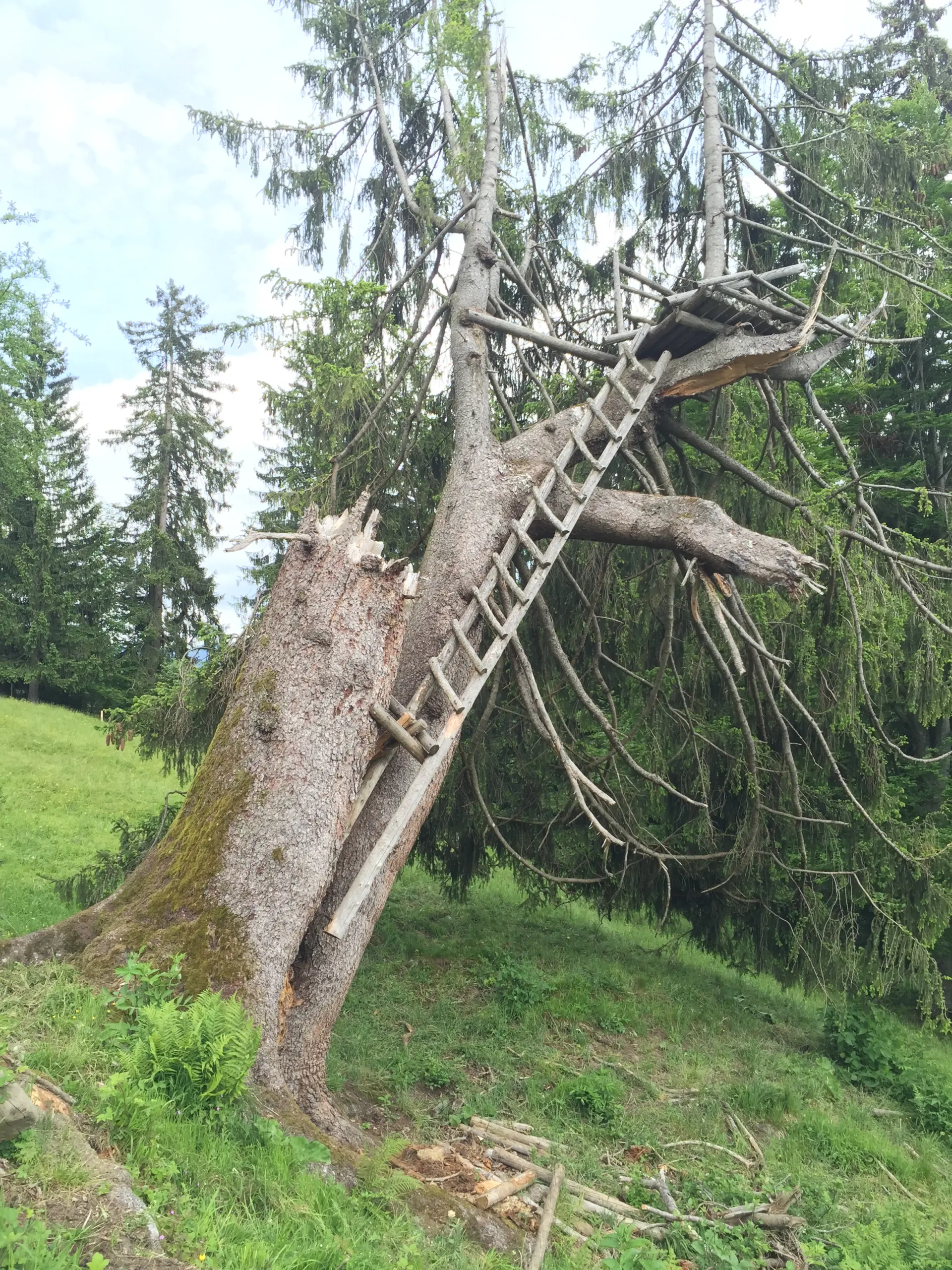
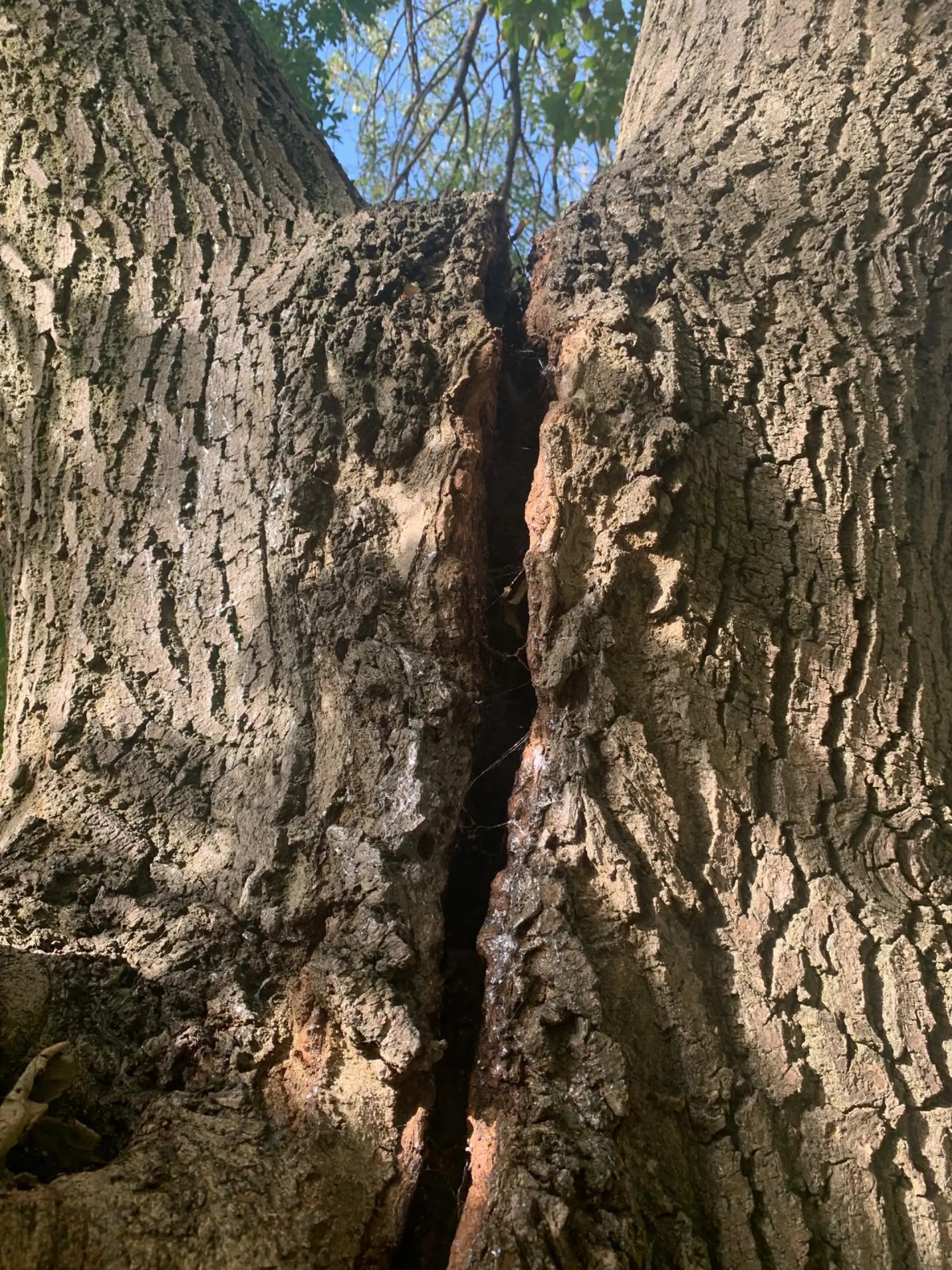
The trunk is the main support of a tree. Deep cracks or splits in the trunk can be a sign that it is weak and may break. These openings may run straight up and down, or they may twist around the trunk. Sometimes you might see the trunk has split into two or more large sections, or that one side of the trunk looks badly damaged.
Not all cracks are the same. Shallow lines in the bark can be normal, especially on much older trees. The worrying ones are wide or deep splits that go into the wood and underneath the bark. If you can see fresh, bright wood, or if the crack is large enough to fit a finger or more inside, the tree may be in real danger of failing.
Pay close attention to cracks or splits in the trunk where large branches join the main stem, or where the trunk forks into two stems. These points carry a lot of weight. A split in these areas can mean the tree might pull apart, especially in strong winds or during heavy rain. You might also see the two sides of a split moving slightly in the wind, which is a serious warning sign that the wood inside is no longer strong.
If you spot splits in the trunk or long cracks that seem to grow over time, do not ignore them. This is often a clear sign that the tree needs expert attention and may need careful pruning or full tree removal.
Roots Lifting The Ground Or Pavement
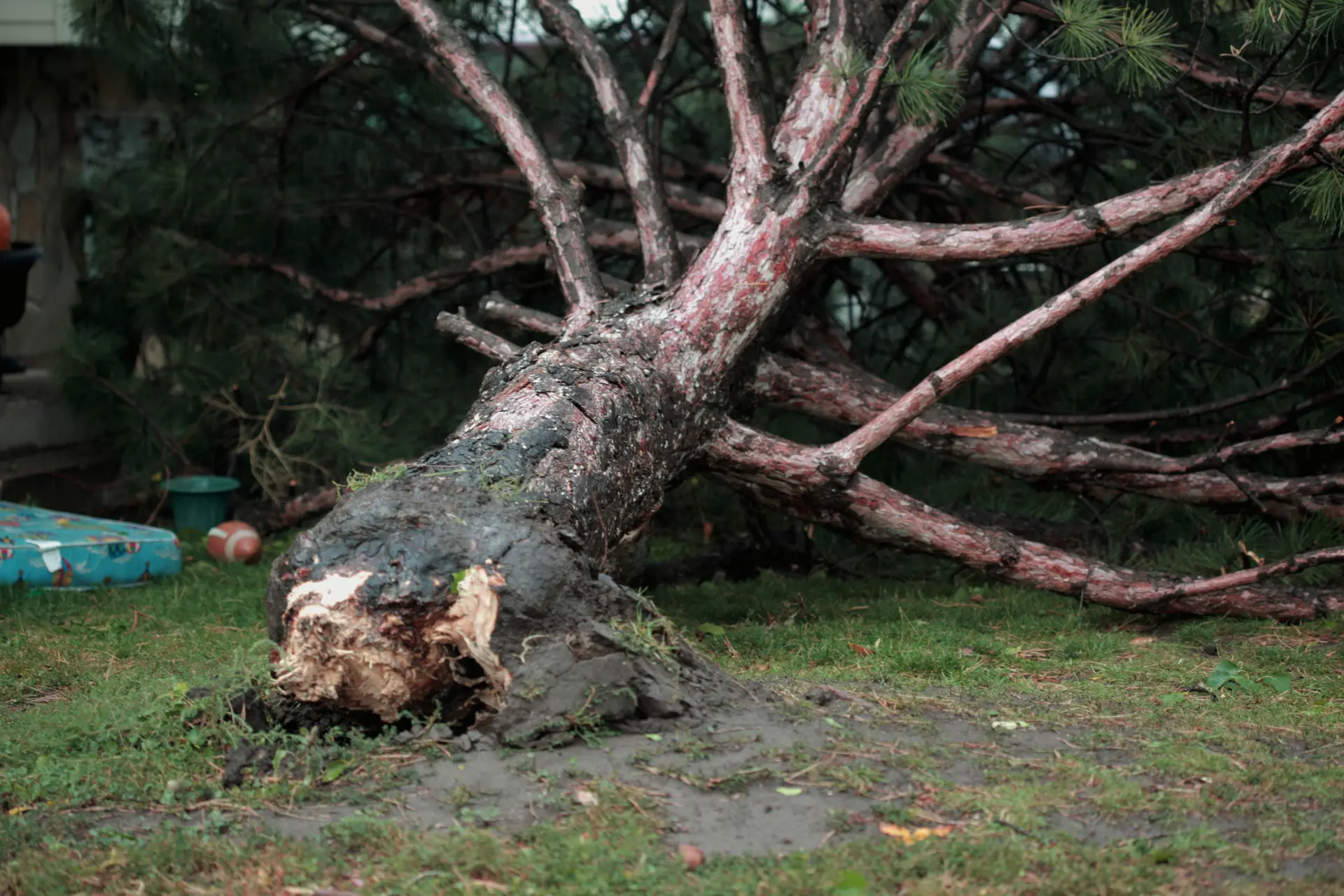
Roots are like the foundation of a building. They hold the tree in place and take in water and nutrients from the soil. If you can see the roots lifting the ground, cracking paving slabs or pushing up tarmac, it can mean the tree is moving and the ground is under stress. This is often a sign of root damage and shows the tree may be more likely to lean or fall.
Raised soil on one side of a tree, especially after strong wind or storms, is a very serious warning. This can sometimes look like a mound of earth around part of the trunk, or fresh cracks in the ground that were not there before. It often suggests that the root plate may be breaking free from the soil, which makes the tree much more dangerous and likely to topple.
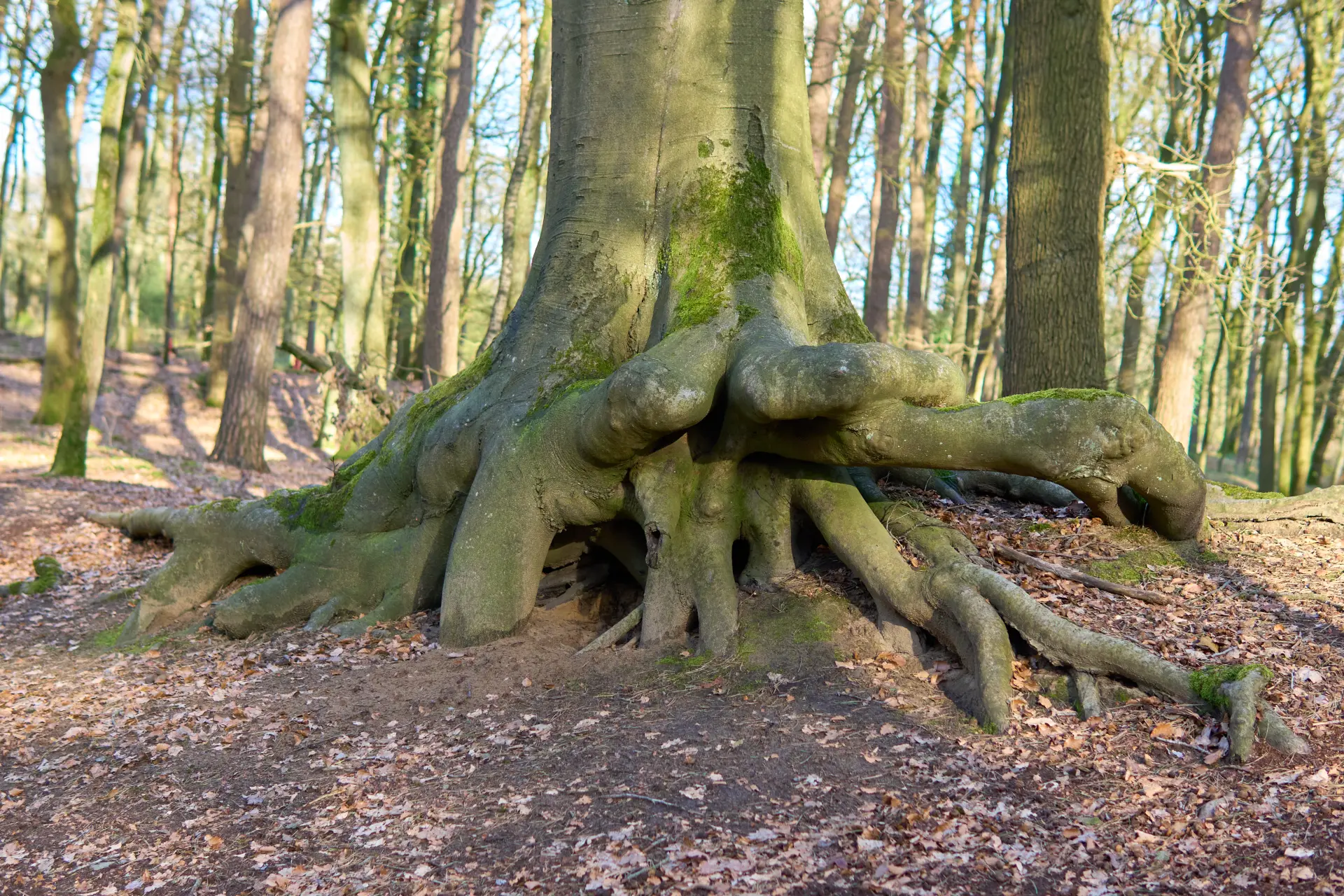
You might also notice gaps forming between the trunk and the soil on one side, or you may see many roots suddenly exposed. In many cases, nearby walls, fences, paths or roads will begin to bend or crack due to the pressure from moving roots. All of these signs show that the roots are under a lot of strain and may not be holding the tree safely.
Never dig around the base of the tree to assess the roots, as this can cause further root problems and speed up failure. If you notice roots lifting the ground or pavement, avoid walking close to the base and contact a tree surgeon to inspect the tree quickly.
Mushrooms Or Fungi Growing On Or Around The Base
Mushrooms or other kinds of fungal growth on a tree may look quite harmless, but they usually show that the wood inside is rotting. Fungi feed on dead or decaying wood. When you see them on the trunk, on large branches or at the base of a tree, it often means parts of the tree have already started to break down from within.
The fungi can appear as classic stalked mushrooms in the ground around the base, or as shelf-like shapes sticking out from the trunk or roots. They might be soft and jelly-like, or hard and woody. Their colour can vary from white or cream to brown, orange or even bright red. This kind of fungal growth is often a clear sign of decay in the wood.
Wood decay inside the trunk or roots makes the tree weaker and more likely to snap or uproot in bad weather conditions. Sometimes the outside of the trunk still looks solid, yet the inner wood has become soft, crumbly or hollow. You might notice that the trunk sounds hollow if you gently tap it with your knuckles, or that the bark feels loose in places near the fungi.
Simply picking off the mushrooms does not solve the problem, because the main fungal body will be hidden inside the tree or soil. If you see repeated fungal growth around the base or on the trunk each year, this should be treated as an urgent matter, as the decay can spread and the tree may need to be removed for safety.

Sudden Loss Of Leaves Or Very Thin Canopy
A healthy tree usually has a full, even spread of leaves during its growing season. If a tree loses a lot of leaves in a short amount of time during the wrong seasons, or if the canopy looks much thinner than usual, this can be a sign that the tree is under severe stress. It might be suffering from disease, pest attack, root damage or lack of water and nutrients.
It is a good idea to compare the tree against others of the same kind nearby. If they are still in full leaf but your tree looks bare or patchy, something is likely wrong. You might see whole branches with no leaves at all, or leaves that are very small, curled or discoloured. This can show that parts of the tree are no longer getting enough water and nutrients from the soil.
Bare branches can also point to deadwood. Dead branches will usually break and fall, especially during strong winds or heavy rain. You may see twigs that snap very easily and are dry and brittle inside, or branches that have no buds even in spring. Dead or dying sections high in the canopy can be quite hard to spot from the ground, so you must look carefully.
If you notice sudden leaf loss or a very thin canopy, avoid standing or parking under the tree until it has been checked. A professional tree surgeon can climb the tree or use special tools to see which branches are dead or unsafe. They can then remove dangerous limbs or, in some cases, advise that the whole tree should come down.
Leaning Trees And Uneven Weight
Many trees have a gentle lean, especially if they have grown towards the light or away from other trees and buildings. However, a sudden lean or a tree that tilts more over time is a warning sign. If a tree that used to stand upright now leans strongly to one side, the roots may be failing and the weight of the tree may no longer be safely balanced.
You might notice fresh cracks in the soil on the side opposite the lean, or raised ground and exposed roots around the base. This can show that the root plate is starting to lift, which puts the tree at high risk of falling. In some cases, the tree may move slightly in the wind, which makes the situation even more unsafe.
A leaning tree close to homes, roads, play areas or other public spaces can cause serious harm if it falls. If you spot a lean that has changed after storms or heavy rain, do not wait to see if it improves. The tree may need urgent work, including careful pruning or tree removal, to reduce the danger.
Dead, Damaged Or Hanging Branches
Dead branches are a common cause of accidents in gardens and on public land. A branch that has cracked but not yet fallen can drop without warning, even on a calm, sunny day. These broken branches are sometimes called hangers and can be very hard to spot in a thick canopy.
Watch out for:
Branches with no leaves while the rest of the tree is in leaf
Wood that is dry and brittle, snapping easily when bent
Branches that have visible cracks or splits where they join the trunk
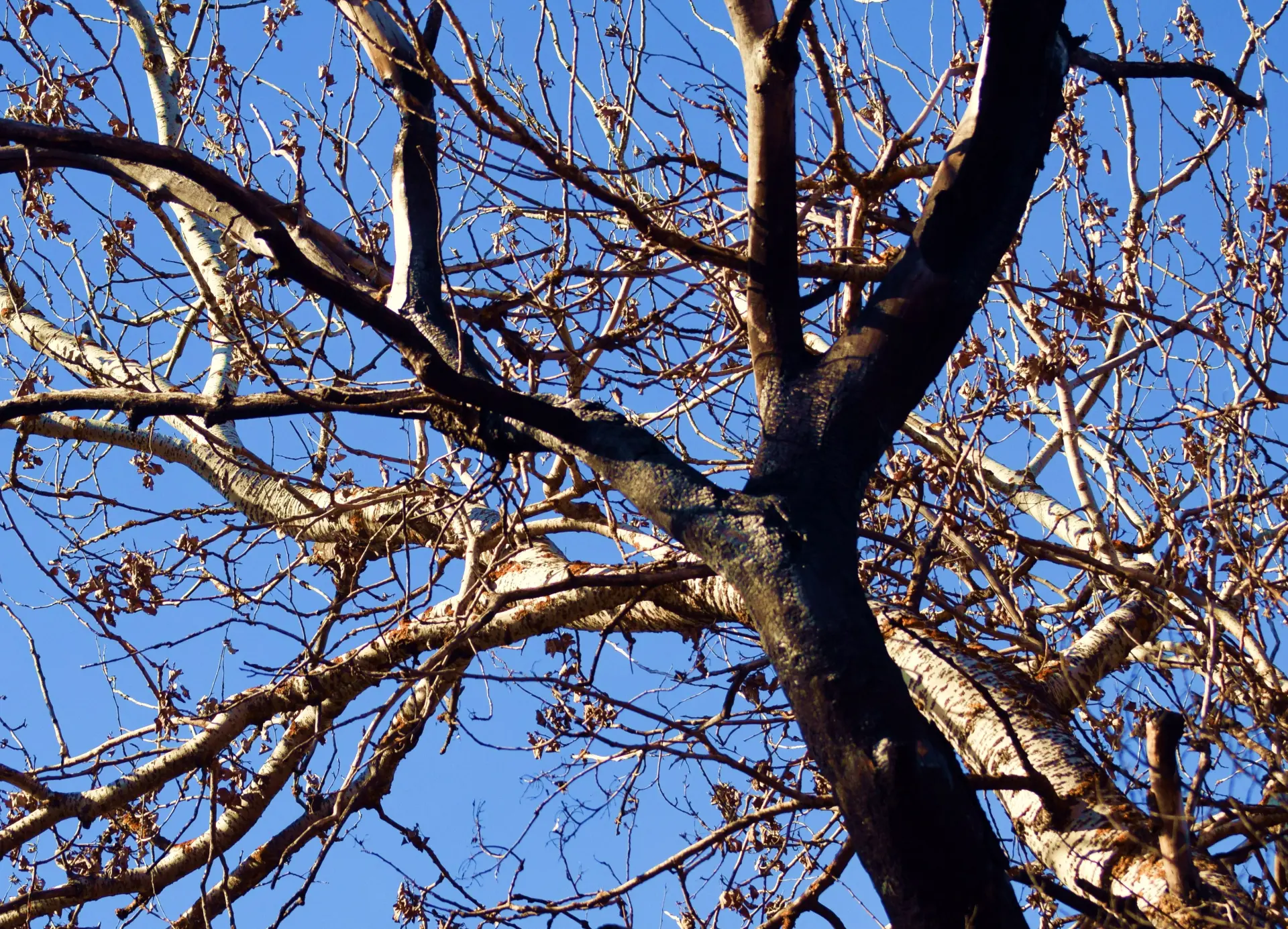
Even without a list, you can often spot dead or damaged branches by looking for bare twigs, peeling bark and patches where the wood has changed colour. After storms, strong winds or heavy snow, there may be branches that have snapped but are still caught in the tree, resting on other branches or nearby trees or buildings.
These can shift at any moment and cause injury or damage to cars and property. A professional tree surgeon can carry out safe pruning to remove dead or damaged wood. They will know how much to remove without leaving the tree unbalanced, and they will make proper cuts so the tree can heal as well as possible.
Damage After Storms, Wind Or Heavy Snow
Severe weather can turn a healthy tree into a hazard overnight. After intense winds, storms or heavy snow, it is important to inspect your trees from a safe distance. Look for broken branches that are hanging loose in the canopy. These can fall at any time, even when the weather is calm.
You should also look for large branches that have snapped but are still caught in the tree, leaning against other branches or nearby buildings. Cracks in the main limbs or at the point where branches join the trunk are also very dangerous. These cracks or splits can grow larger the next time the wind picks up.
Storms can also change the lean of a tree. If a tree that used to stand upright now tilts more to one side, especially if this is new, it may be unsafe. You may see fresh soil pushed up on one side of the trunk, or roots that were not visible before. This suggests the root system has been disturbed and cannot hold the tree securely any more.
Heavy snow and ice can bend branches and cause hidden fractures. Even long after the snow has melted, these weakened limbs may break in later winds. If you notice any of these warning signs after bad weather, you should arrange for a professional tree inspection as soon as possible.
Changes To Bark, Wood And The Inside Of The Tree
The bark of a tree protects the wood inside. When bark starts to peel away, crack deeply or fall off in large sheets, it can be a sign of serious problems. Long splits in the bark that reach into the wood often show that the wood has been damaged or that decay is spreading.
You may also notice dark, sunken patches, sticky fluid, or small holes in the bark where insects have bored into the tree. These can be signs of disease or pest damage. Over time, this damage can spread inside the trunk, making the tree weaker from within.
In some cases, the inside of the tree may start to rot away, leaving a hollow space. From the outside, the trunk can still look normal, but the wood inside has lost its strength. A tree with a large cavity can fail suddenly under its own weight, especially in storms.
If you suspect internal decay, you should ask a professional tree surgeon to assess the tree. They may use special tools to check the thickness and health of the wood. If the decay is advanced, the tree may need to be removed to protect people and property.
Trees Close To Buildings, Roads And Play Areas
Even a tree that looks fairly healthy can be a hazard if it is in the wrong location. Trees growing very close to houses, garages, roads or play areas carry extra risk, especially if they show any of the warning signs above.
Roots can cause problems under paths, roads and building foundations by lifting the ground and cracking hard surfaces. Large branches that hang over roofs, parking spaces or busy footpaths can cause serious damage if they break. In small gardens, a single large tree may be too close to boundaries, putting neighbouring property at risk if the tree fails.
It is important to think about the whole site and how the tree might affect people and wildlife if it falls. A professional tree surgeon will look not only at the tree itself, but also at the area around it, including roads, buildings, fences and garden features. They can then advise what action is needed to reduce the danger while still trying, where possible, to keep safe trees that provide shade and value to the area.
The Risks Of Ignoring Warning Signs
Ignoring the warning signs of an unsafe tree can lead to serious problems. A tree that looks only slightly damaged today can become much more dangerous after one or two storms. As decay and disease spread, more of the wood will weaken, making sudden failure more likely.
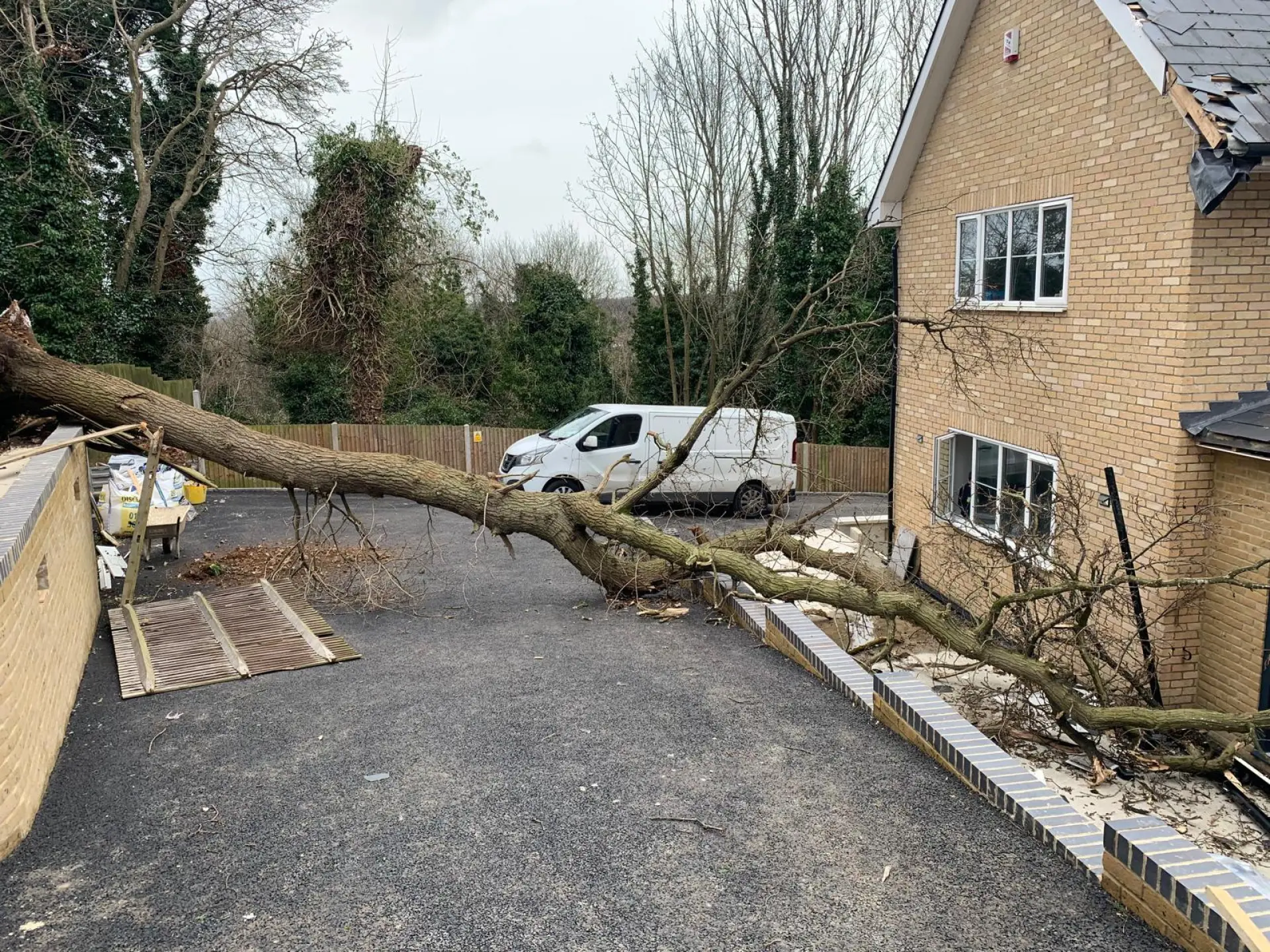
If a tree falls, it can cause costly damage to property and vehicles. In the worst cases, it can lead to injury or even loss of life. Leaving a high risk tree in place can also affect nearby trees, as disease can spread, making more trees unsafe over time.
Acting in time usually means the options for safe tree care are wider. Sometimes early pruning or careful tree surgery can save a tree that would otherwise need to be removed later. Waiting too long often means the only safe choice is full tree removal, which can be a larger job and more expensive.
When To Contact A Professional Tree Surgeon
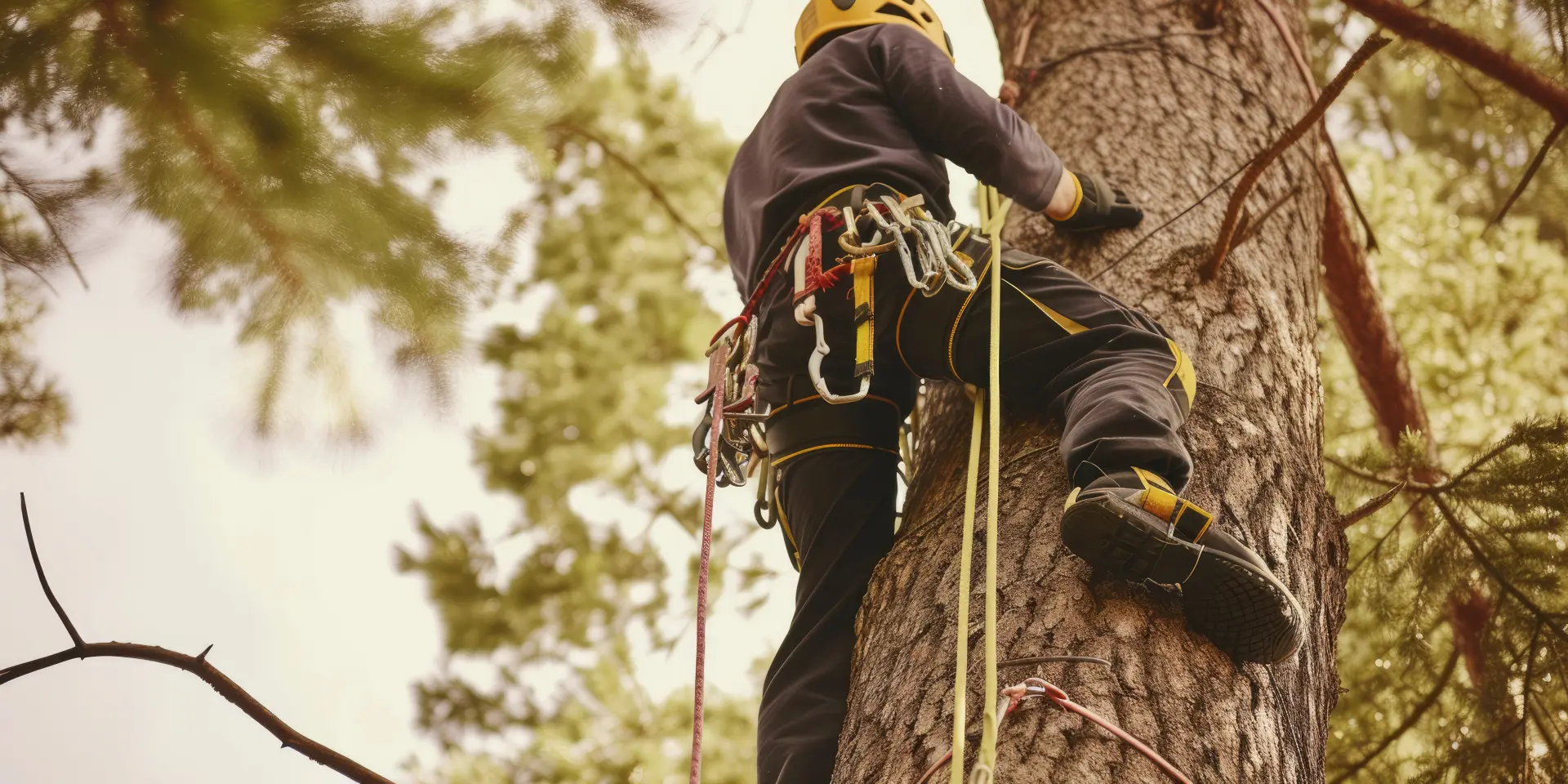
If you have spotted any of the warning signs in this guide, it is important to act quickly. Do not try to carry out major work yourself, as dealing with unsafe trees is a skilled and dangerous job. A professional tree surgeon will have the right training, tools and safety equipment to work at height and handle heavy branches.
A good tree surgery team will be fully insured and will assess the tree’s health, the site and the level of risk. They can advise whether the tree needs pruning, dead branch removal, support systems or complete removal. They will also plan how to carry out the work safely so that people, property and wildlife around the tree are protected, and the site is left tidy when the work is finished.
If you are worried about a tree, you can contact Treetops Tree Surgery Ltd for advice. You can phone us on 07765 673384, send an enquiry to our email address, or use the contact us form on our website. Share photos of the tree, including close views of the trunk, the base and any damaged branches, as this can help us spot problems.
If we feel the tree may be unsafe, we will recommend a proper inspection as soon as possible. In some cases the tree needs urgent action to remove high risk branches or to take the whole tree down. In other cases, careful pruning and regular tree care checks will be enough to keep the tree safer as it continues to grow.
By learning the early signs of danger and asking for professional help in good time, you can reduce the risk of harm, protect your property and keep your trees healthier for longer.
Is your tree quickly losing leaves, lifting at the root, growing fungus, or just in need of a thorough pruning? Rest assured Treetops Tree Surgery Ltd are here to provide a number of tree-related services to care for or remove a tree or shrub in your garden or outdoor space. Call us today for more details.
Emergency Tree Service