Common Types of Storm Damage to Trees
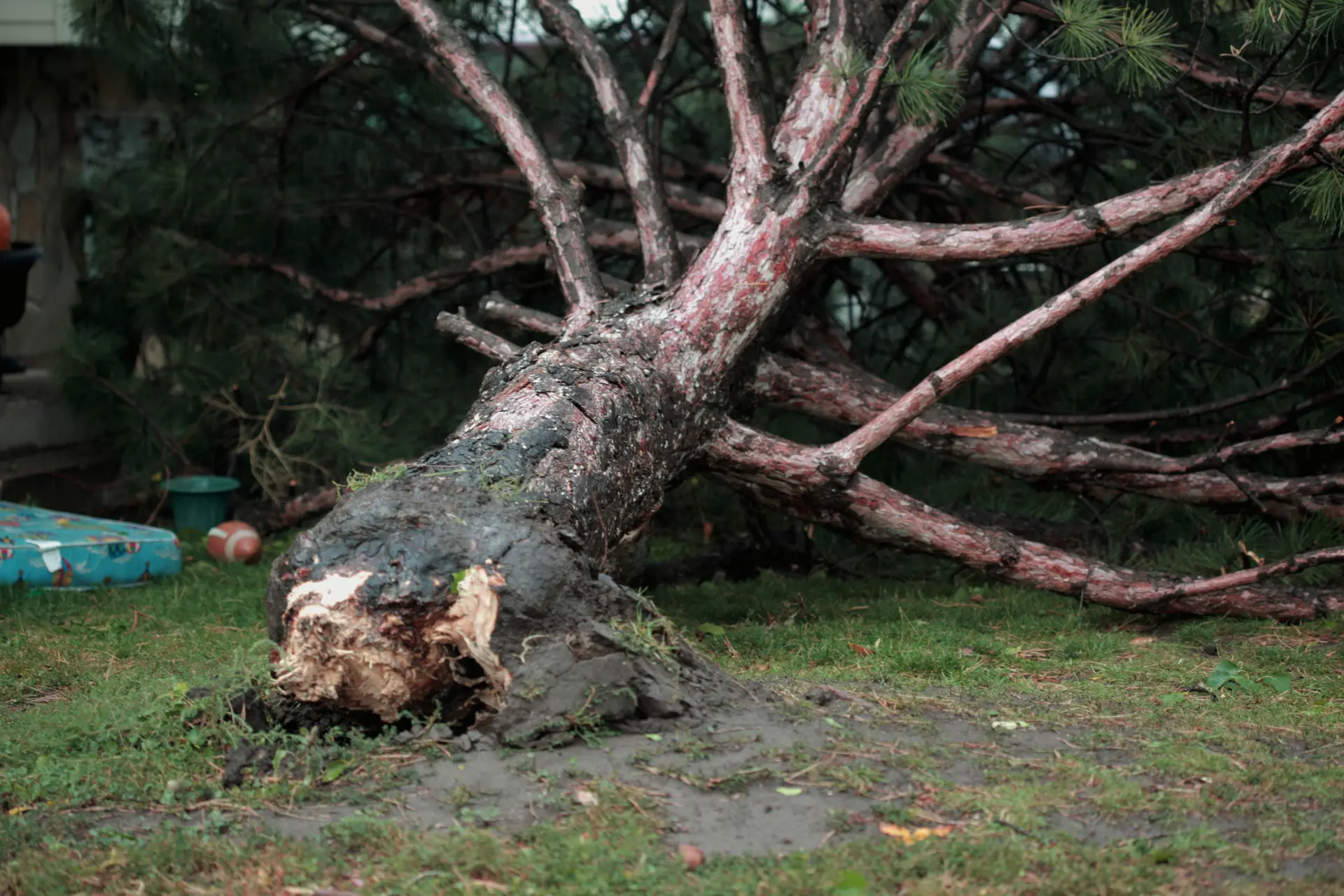
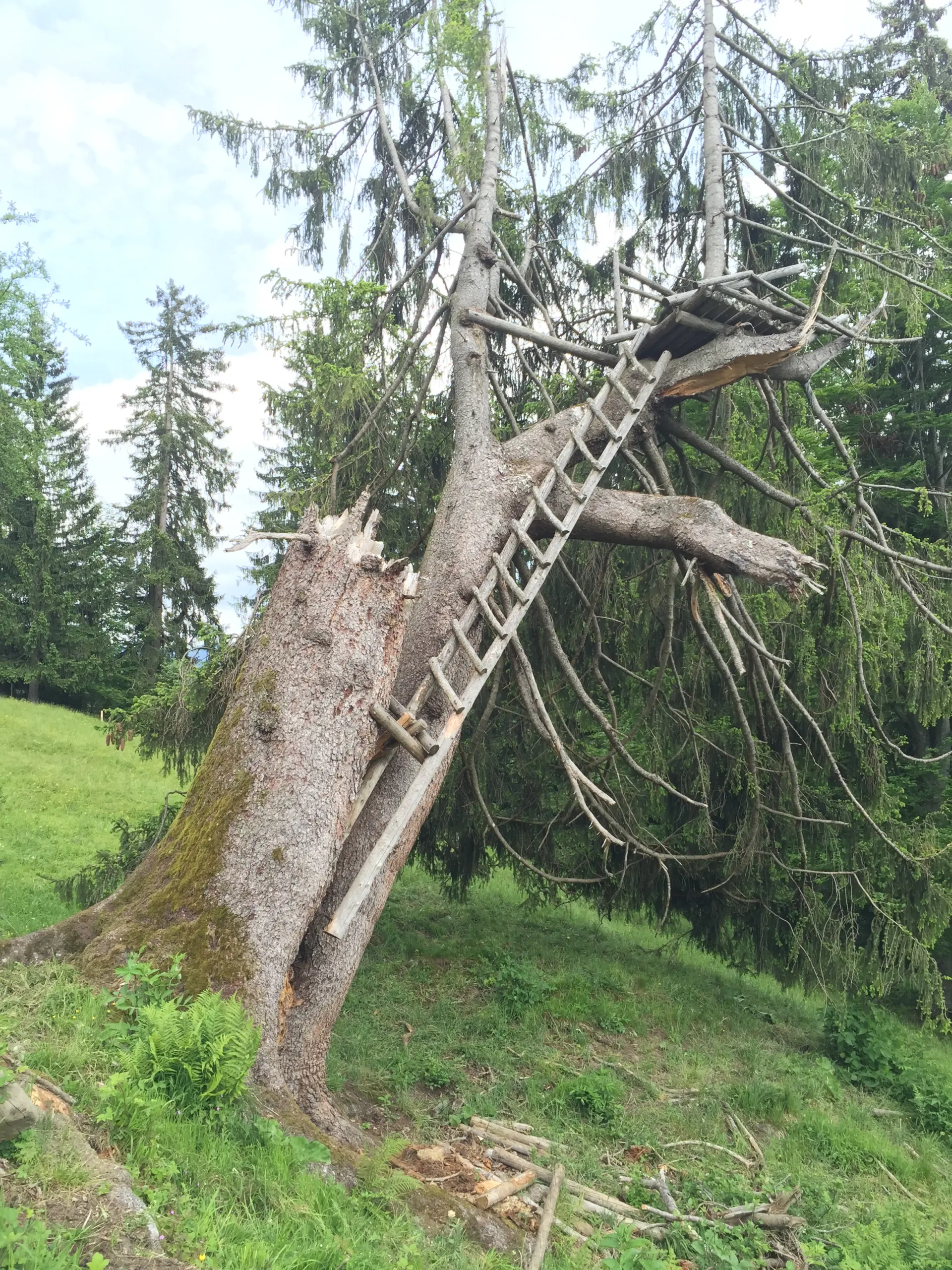
Storms can cause many different problems for trees in gardens, streets and parks. Strong winds may snap branches, twist crowns and even uproot whole trees in very wet soil. Heavy rain softens the ground, which makes tall trees more likely to lean or topple over. Wet, heavy snow can weigh down branches until they crack or break off onto cars, sheds or fences.
Hail can strip leaves and damage bark, making trees more open to pests, rot and disease. Lightning strikes are less common, but can split trunks or kill a tree completely in seconds. Understanding these common types of storm damage helps tree surgeons plan the right care so trees stay safer, healthier and more stable all year round.
Pruning Weak or Overgrown Branches
Pruning is one of the main ways tree surgeons help prevent storm damage. They start by inspecting the tree carefully to find weak, crossing or overlong branches that might snap in strong winds. By cutting these back in a controlled way, they reduce the weight the tree has to carry and help balance the crown. This lowers the strain on the trunk and roots when the weather turns rough.
Good pruning also removes branches with cracks, decay or tight forks that could fail without warning. Tree surgeons follow safe methods so each cut is clean and placed in the correct position on the branch collar. This helps the tree seal the wound and lowers the risk of infection or decay spreading further.
They also look for branches hanging over roofs, conservatories, roads and play areas, where falling wood could do serious damage. In some cases they may thin the crown slightly, so wind can pass through the tree more easily.
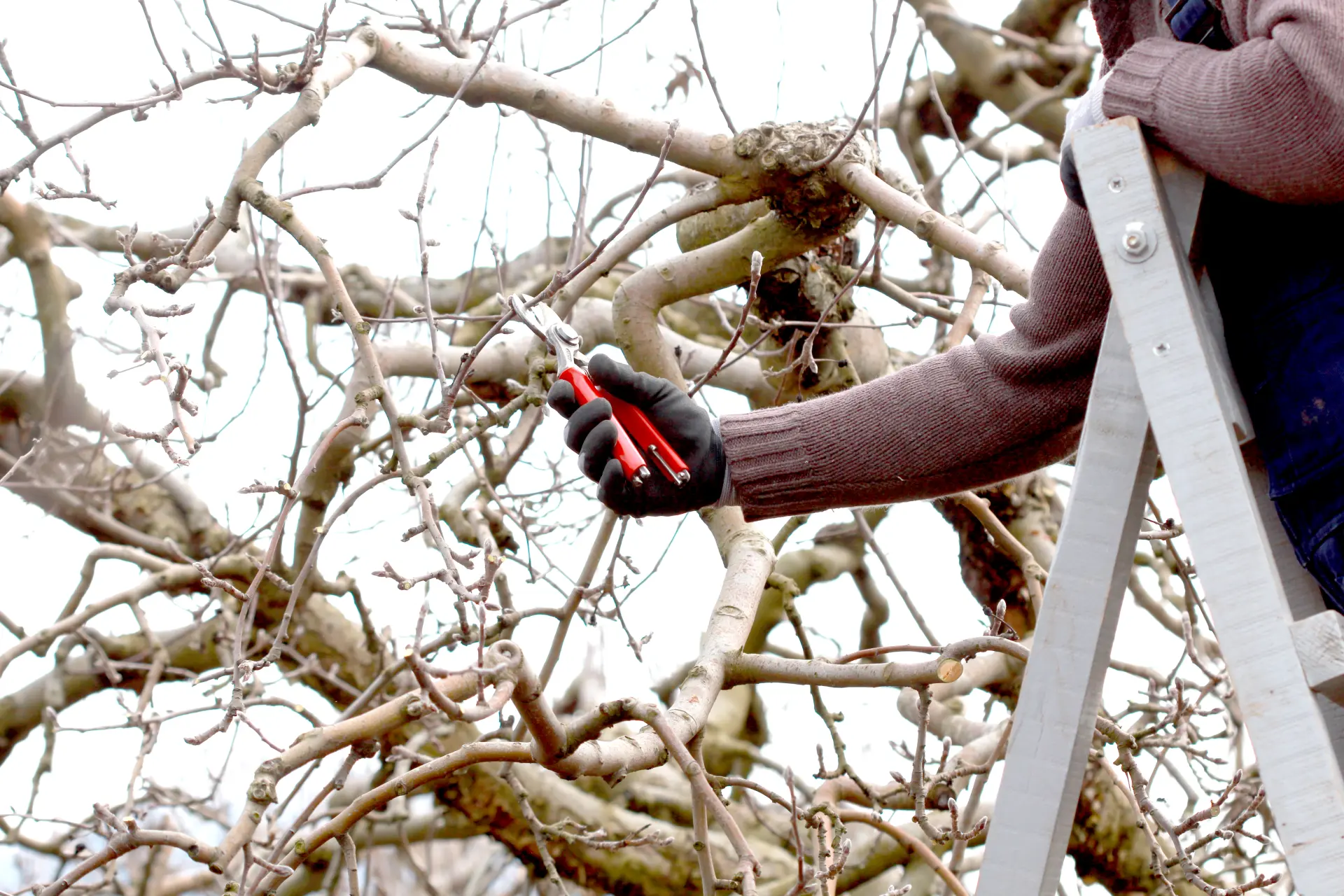
Regular, planned pruning, carried out at the right time of year, keeps trees stronger, more stable and better able to cope with heavy rain, snow and high winds. It is a simple, cost effective way to protect both trees and property.
For older or protected trees, a detailed pruning plan can be made so that small amounts of work are done every few years instead of heavy cutting in one visit. This gentle approach keeps the tree in good condition, reduces stress on the tree and keeps risks from storm damage under control.
Removing Dead, Diseased or Unsafe Trees
Sometimes pruning is not enough to make a tree safe in storms. Dead or dying trees are far more likely to shed branches or fall without warning, especially when the ground is soaked. Trees with severe decay, hollow trunks or a heavy lean can also be dangerous, particularly near houses, roads, paths or play areas.
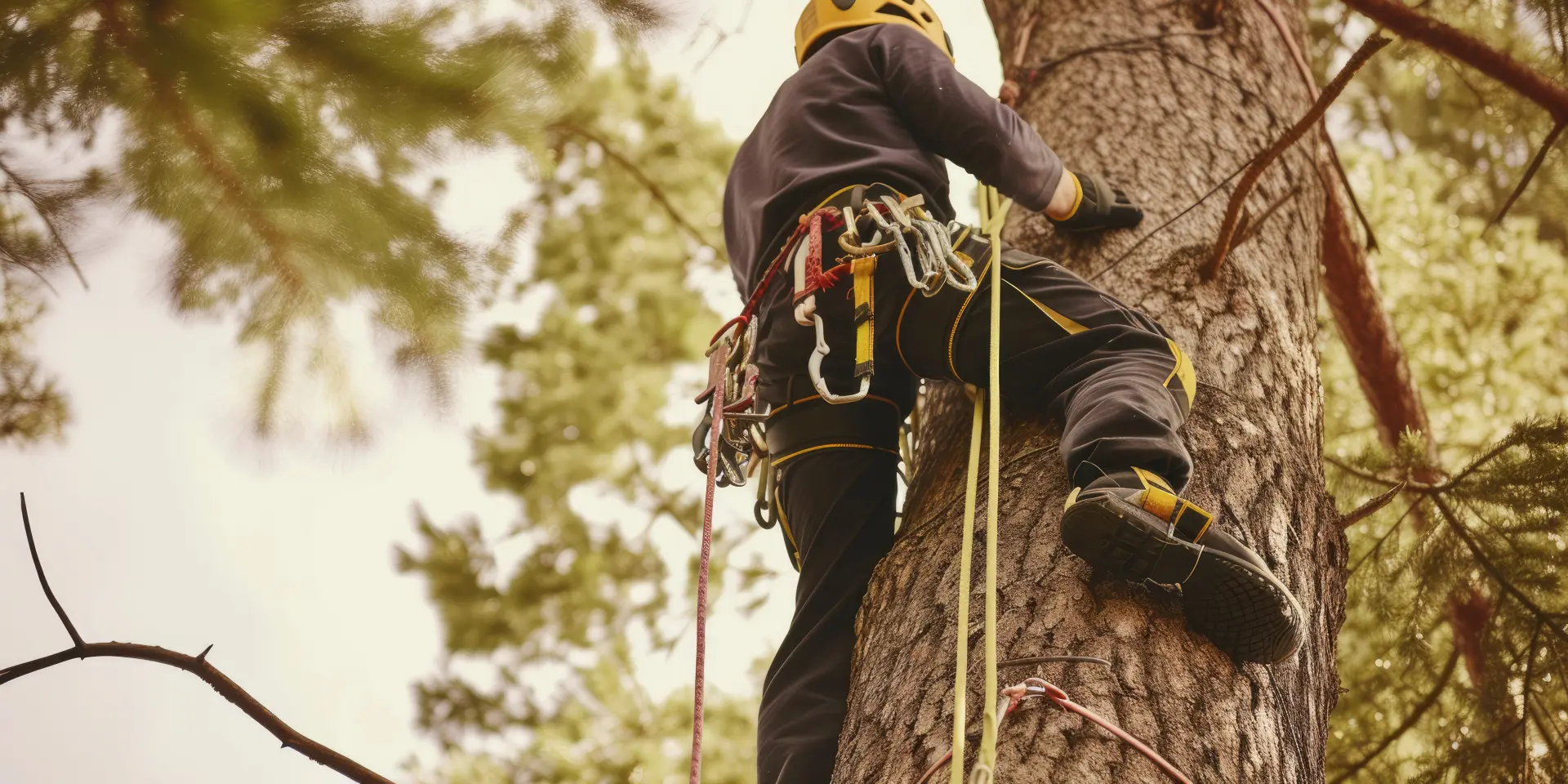
Tree surgeons assess the level of risk and may advise full removal when no other option will protect people, buildings or vehicles. Using the correct equipment and trained climbing skills, they can safely dismantle problem trees in sections, even in small gardens, and arrange for the wood and waste to be removed from the site. This planned removal greatly reduces the chance of serious storm damage.
Reducing Tree Crowns to Cut Wind Resistance
Crown reduction is a skilled pruning method used by tree surgeons to lower the height and spread of a tree. Instead of cutting the top straight across, they shorten selected branches back to suitable growth points. This keeps the tree’s natural shape while reducing the overall size. A smaller crown catches less wind, which lowers the strain on the trunk and roots during storms.
Crown reduction can be very helpful for large trees that have grown close to buildings, phone lines or roads. It can also improve light levels in nearby homes and gardens by letting in more daylight. However, it must be done carefully to avoid over cutting, which can weaken the tree or cause decay. A qualified tree surgeon will judge how much to remove to keep the tree safe, stable and healthy in the long term.
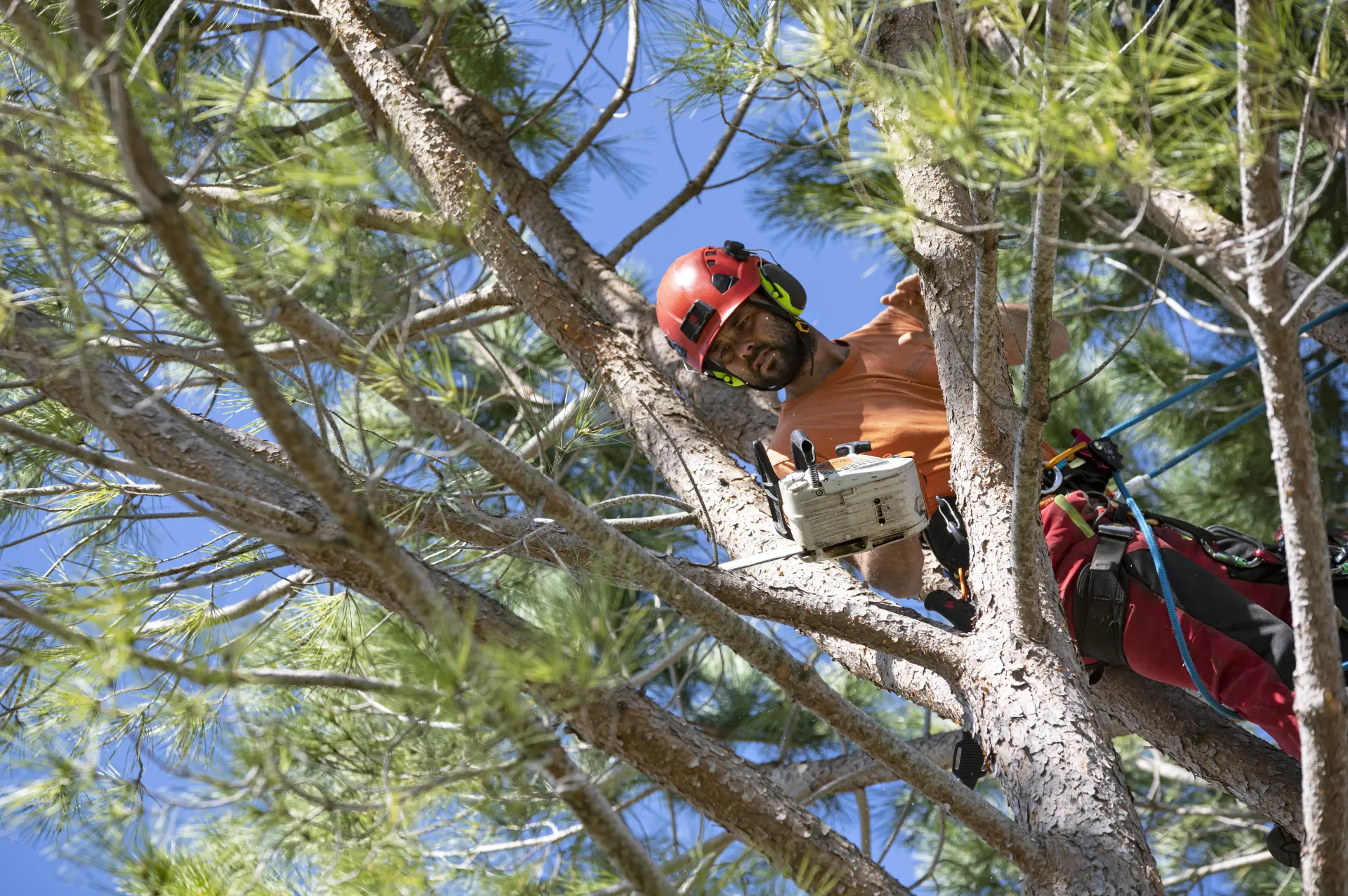
Before any work starts, they will usually assess the tree from all sides, looking at its age, species, condition and position. Some trees respond better to reduction than others, so expert knowledge is important.
In many cases, crown reduction is used along with other work such as removing deadwood or lifting the crown above paths and roads. This gives a balanced result that keeps clearance where it is needed while still protecting wildlife habitats within the branches.
When carried out on a sensible cycle, crown reduction can extend the useful life of a mature tree, cutting the risk of storm damage without losing all the shade, character and screening that the tree provides.
Managing Tree Roots Near Paths and Walls
Strong roots help anchor trees during storms, but they can cause problems if they grow too close to paths, drives and walls. As roots expand, they may lift paving, crack brickwork or damage drains. This can create trip hazards and weak spots that get worse in heavy rain and high winds.
Tree surgeons can inspect root systems and suggest ways to manage them, such as root pruning, installing root barriers or, in serious cases, tree removal and replacement with a more suitable species.
Good root management keeps trees secure while also protecting surrounding structures, helping your garden stand up better to stormy weather and avoid costly repairs in the future. It also helps guide new planting so young trees grow in safer positions.
Ready to improve the safety, health, or appearance of your trees? Contact Treetops Tree Surgery today for expert advice, a free consultation, and reliable tree care services across Maidstone and the surrounding areas. Your trees are in the safest hands.