Old Or Decaying Trees
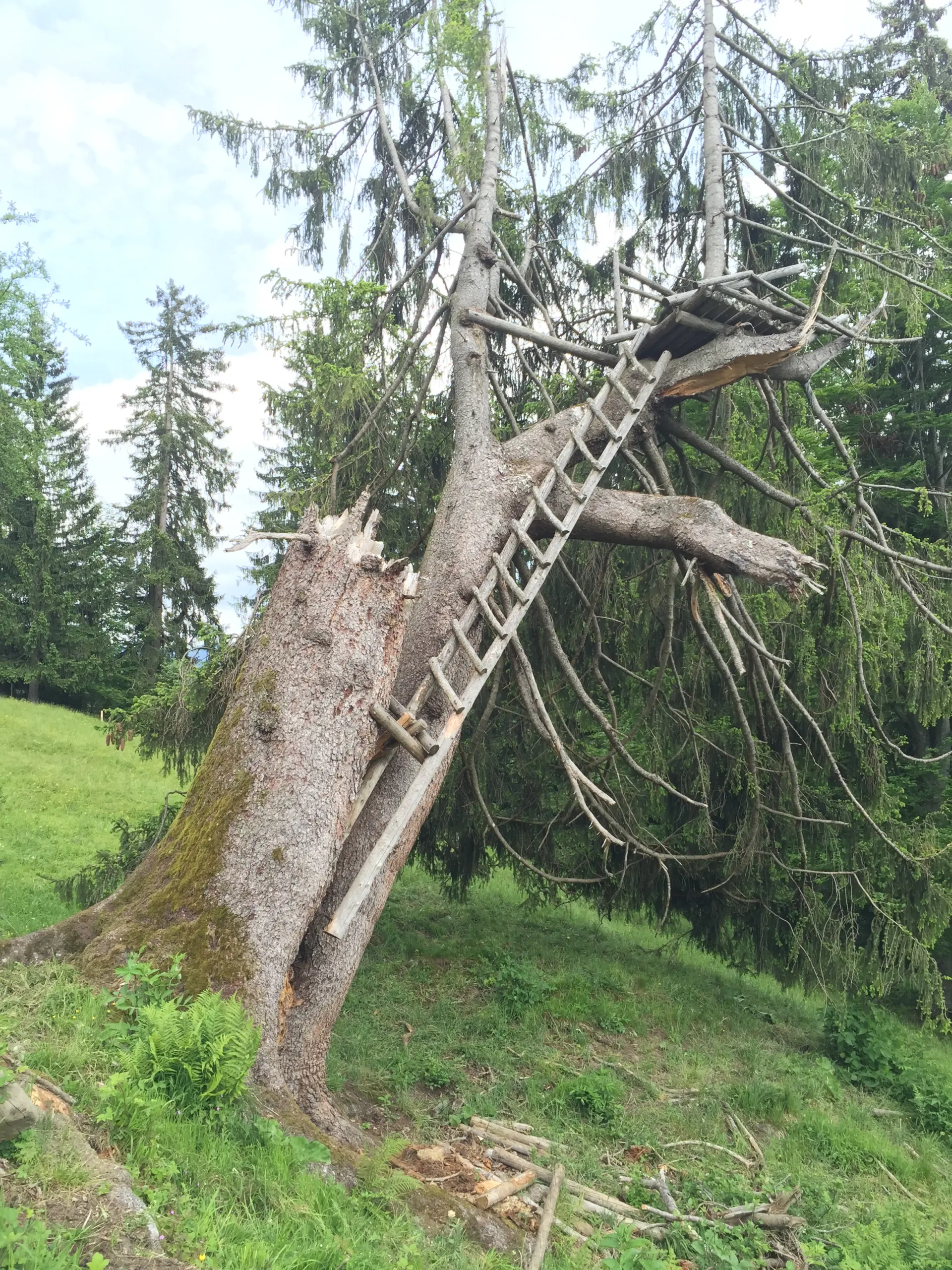
As trees age, their wood naturally becomes weaker in some places. Old trees often have dead branches, hollow sections, or areas of rot inside their trunks. From the outside, they may still look strong and full of character, yet inside, they can be fragile. This hidden decay is one of the main reasons older trees are involved in emergencies.
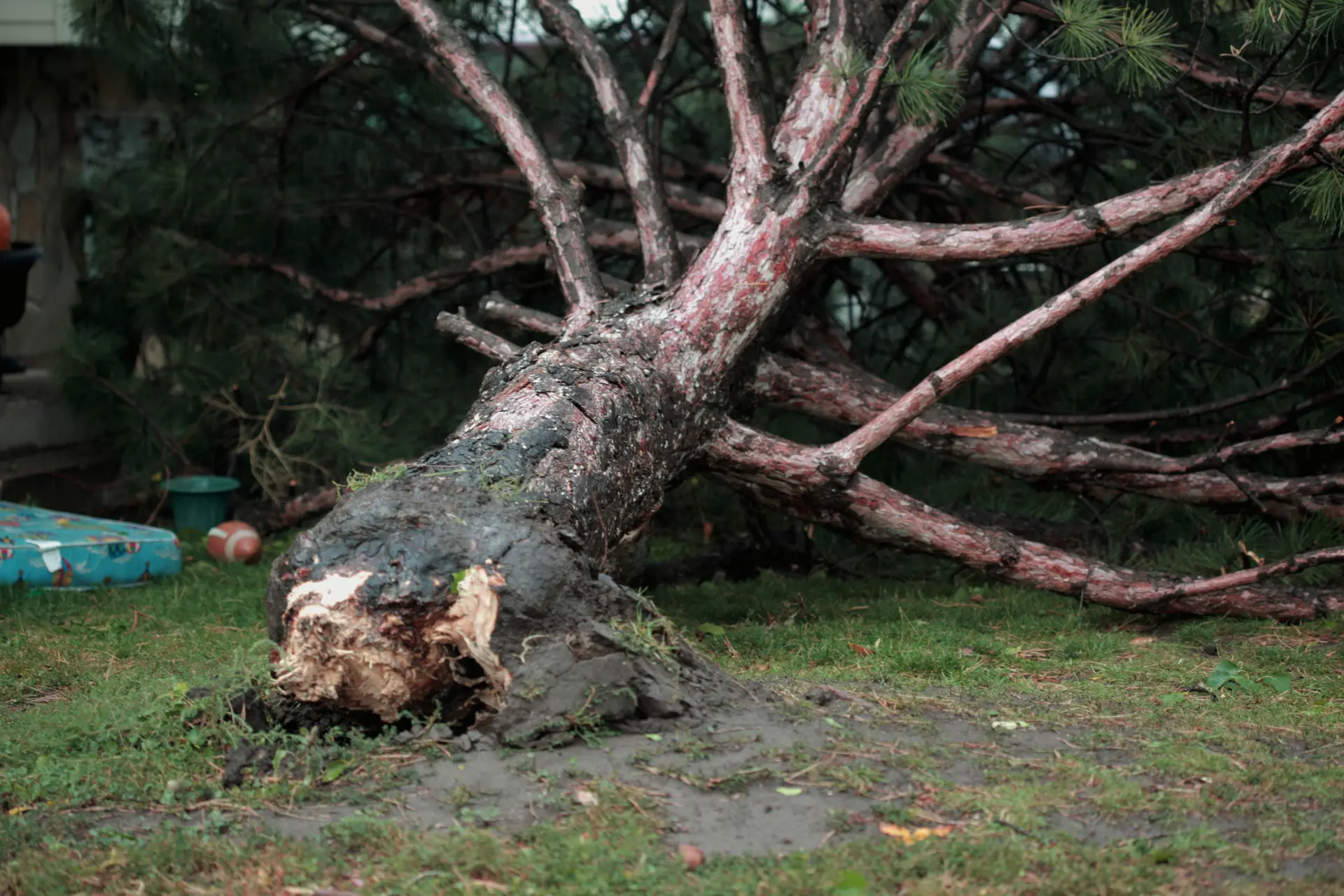
Rot can begin to attack the roots, the base of the trunk or even some of the major limbs higher up. Fungi and bacteria will gradually start to break down the wood, turning it much softer and less able to carry weight. In calmer weather, the tree might still stand, but when heavy wind, snow or rain arrives, the weak parts won't be able to cope with the extra strain. Large pieces can then snap, or the whole tree may uproot.
Not all old trees are unsafe, and many can be managed carefully for years. However, age combined with obvious signs of decay, such as mushrooms at the base, deep cavities, loose bark and dead limbs, should always be treated with care. Plenty of inspections by local professionals can help you catch serious problems before they turn into urgent call-outs.
Poor Pruning Or Past Tree Work
Bad pruning can create a number of problems that only seem to appear many years later. When branches are cut in the wrong places or at the wrong angles, the tree can sometimes struggle to heal its wounds. Large open cuts can let water, pests and decay into the wood, and over time, this damage can spread and weaken whole sections of the tree.
If past tree work has removed far too much of the crown in one go, this is also not a good sign. This heavy cutting can stress the tree, causing a flush of weak new shoots. These shoots tend to grow quickly but attach themselves poorly to the older wood. They may look leafy and healthy, but in the wind, they are much more likely to tear off and fall.
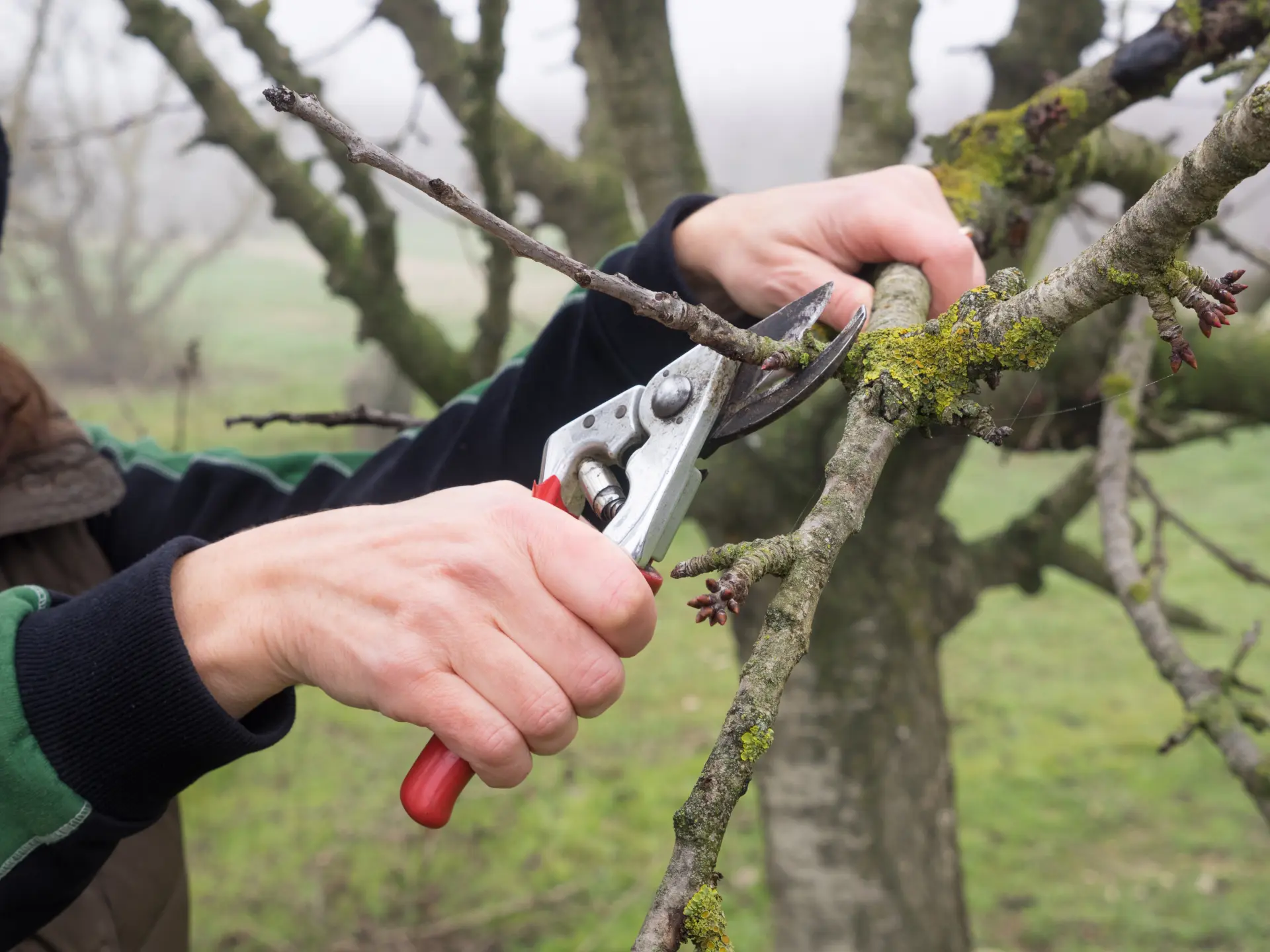
Another issue to look out for is when people shorten limbs or remove branches without thinking about balance. If one side of a tree is cut back hard and the other side is left heavy, the weight becomes uneven. In storms, the heavier side may pull the tree over, or weak points near the old cuts may fail under pressure.
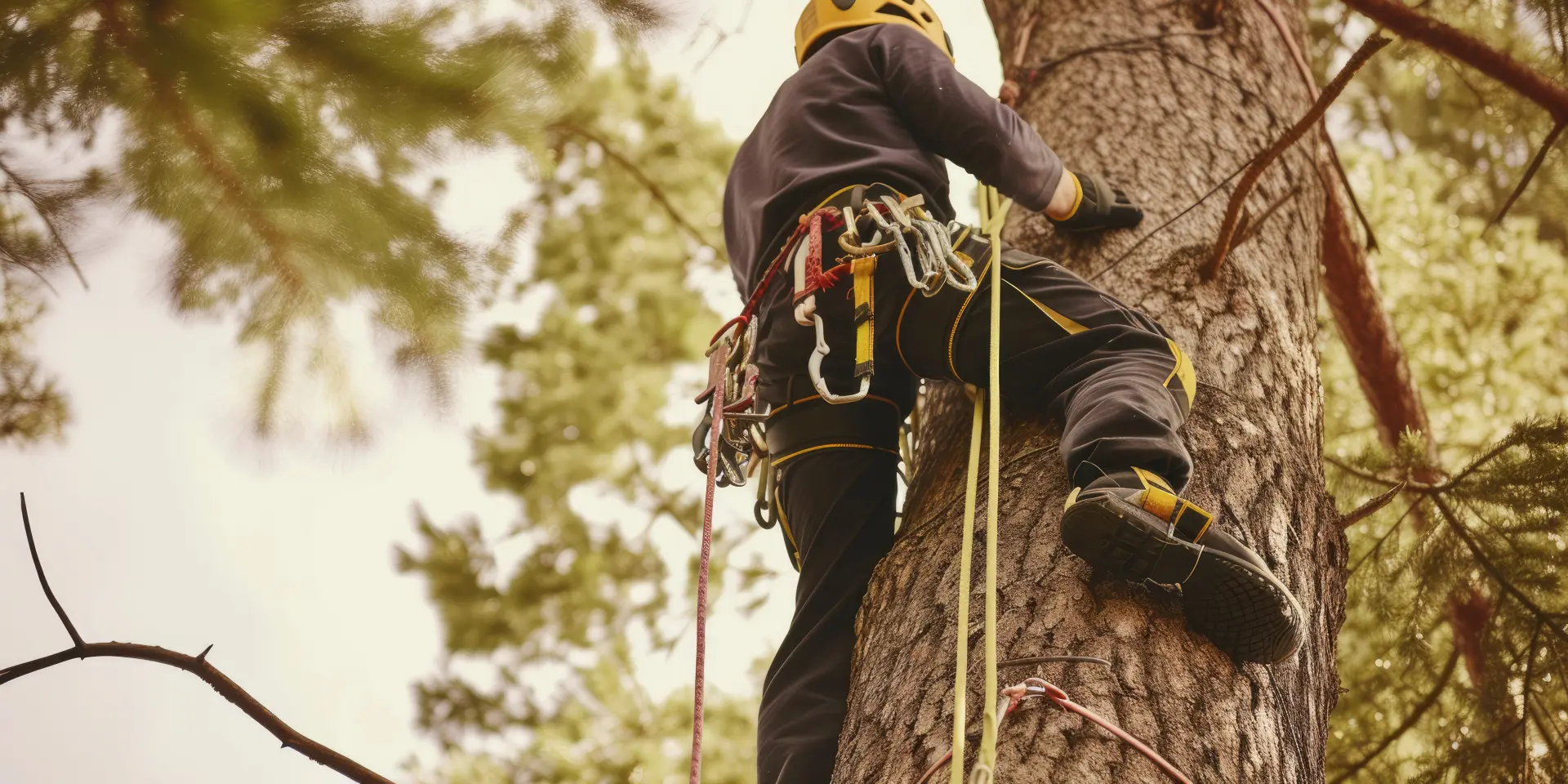
Doing it yourself or hiring untrained workers is a common cause of these tree-related problems. The work carried out may look neat at first, but the hidden damage it causes can lead to major emergencies years later. Proper pruning by a qualified tree surgeon will ensure the safest possible methods that protect the tree’s long-term structure and limit the risk of sudden failure.
Pests, Disease And Weak Wood
Pests and diseases can turn the healthiest of trees into great safety risks. Insects that bore into wood, such as beetles, can create tunnels that weaken branches and trunks. Sap-sucking pests can drain the tree’s energy and leave it too weak to defend itself from any other threats it encounters. As time passes, the structure of the tree may become quite brittle and more likely to break.
Diseases caused by fungi or other organisms can spread through the roots, trunk and branches. Some rot the wood from the inside, while others kill the water-carrying tissue. You might see dying branches, cankers, oozing bark or repeated fungal growth. In the UK, trees like ash, elm and oak can all be affected by serious diseases that lead to decline and failure.
When disease or pests have weakened the tree, its wood often does not bend and recover in the same way in harsh winds. Instead of flexing, the branches may snap. This can lead to surprising failures, even in weather that does not seem very severe. A diseased tree next to a road, garden or playground can quickly turn into an emergency if a major limb breaks.
It is important not to neglect any early signs of pest or disease attacks, such as thinning leaves, dead sections in the crown, cracking bark or unusual fungal growth.
Trees Growing Into Power Lines
When tree branches grow too close to power lines, they become a serious safety concern. In wet or windy conditions, branches can touch or rub against the wires. This can damage the lines, cause sparks and lead to power cuts for homes and businesses nearby. In worst cases, there is a risk of fire or electric shock.
Winds can blow your branches onto the wires or even pull a whole tree over a power line. If a tree falls onto live wires, the area around it can become incredibly dangerous. This is because the tree itself may carry some electricity, and the ground near it can also be unsafe and full of harmful vibrations. Fallen trees on power lines are treated as urgent emergencies that need specialist teams.

It is never safe for a homeowner or passer-by to cut or move branches near overhead lines. Even if the line looks inactive, it can still be live. Only trained workers who are authorised to work near electricity should deal with these situations. Trying to prune branches yourself in this setting can put you and others at life-threatening risk.
If you notice a tree touching or very close to power lines, or if you see a tree that has fallen on them, you should make sure to stay well away and report it to your local power company or local network operator. They will arrange for immediate safe clearance and, if needed, emergency tree work to remove the hazard and restore power.
Roadside Trees And Traffic Accidents
Trees along roads and motorways are important for wildlife and the landscape, but they are also involved in many emergencies. Heavy traffic, fast speeds and large vehicles increase the impact if something goes wrong. A falling branch or a whole tree across a road can cause crashes, block emergency routes and put many people in danger at once.
Roots of roadside trees are often under stress from compacted soil, salt from winter gritting and damage from road works. This can weaken the root system and make the tree less stable in destructive winds. The tree might begin to lean or develop dead and decaying branches as the months or years go by. If these issues are not spotted early, they can lead to sudden failures.
Traffic accidents can also damage trees directly. A vehicle hitting a trunk can split the bark, crack the wood or disturb the roots. Sometimes the damage is clear, with bark stripped away and the tree visibly leaning. Other times, you may find that the harm is hidden, such as deep cracks inside the trunk. Even if the tree stays standing after the impact, it may now be unsafe and at risk of breaking later.
Is your tree quickly losing leaves, lifting at the root, growing fungus, or just in need of a thorough pruning? Rest assured Treetops Tree Surgery Ltd are here to provide a number of tree-related services to care for or remove a tree or shrub in your garden or outdoor space. Call us today for more details.