Your Tree Has Dead or Dying Branches
Dead or dying branches can be dangerous. They may fall without warning, especially in strong wind or bad weather. These branches also signal that the tree could be stressed, diseased or decaying from the inside. A tree surgeon can assess the tree’s condition and remove any unsafe limbs before they become a risk. In some cases, pruning the affected branches helps the rest of the tree recover.
However, if a large part of the tree is already dead, it might need to be removed entirely. Spotting deadwood early is key to keeping your tree healthy and your surroundings safe. If you're unsure whether a branch is dead, look for signs like brittle wood, lack of leaves in the growing season or bark that peels off easily. Leaving dead branches untreated increases the risk of injury and property damage, making expert help essential.
Cracks or Splits in the Trunk
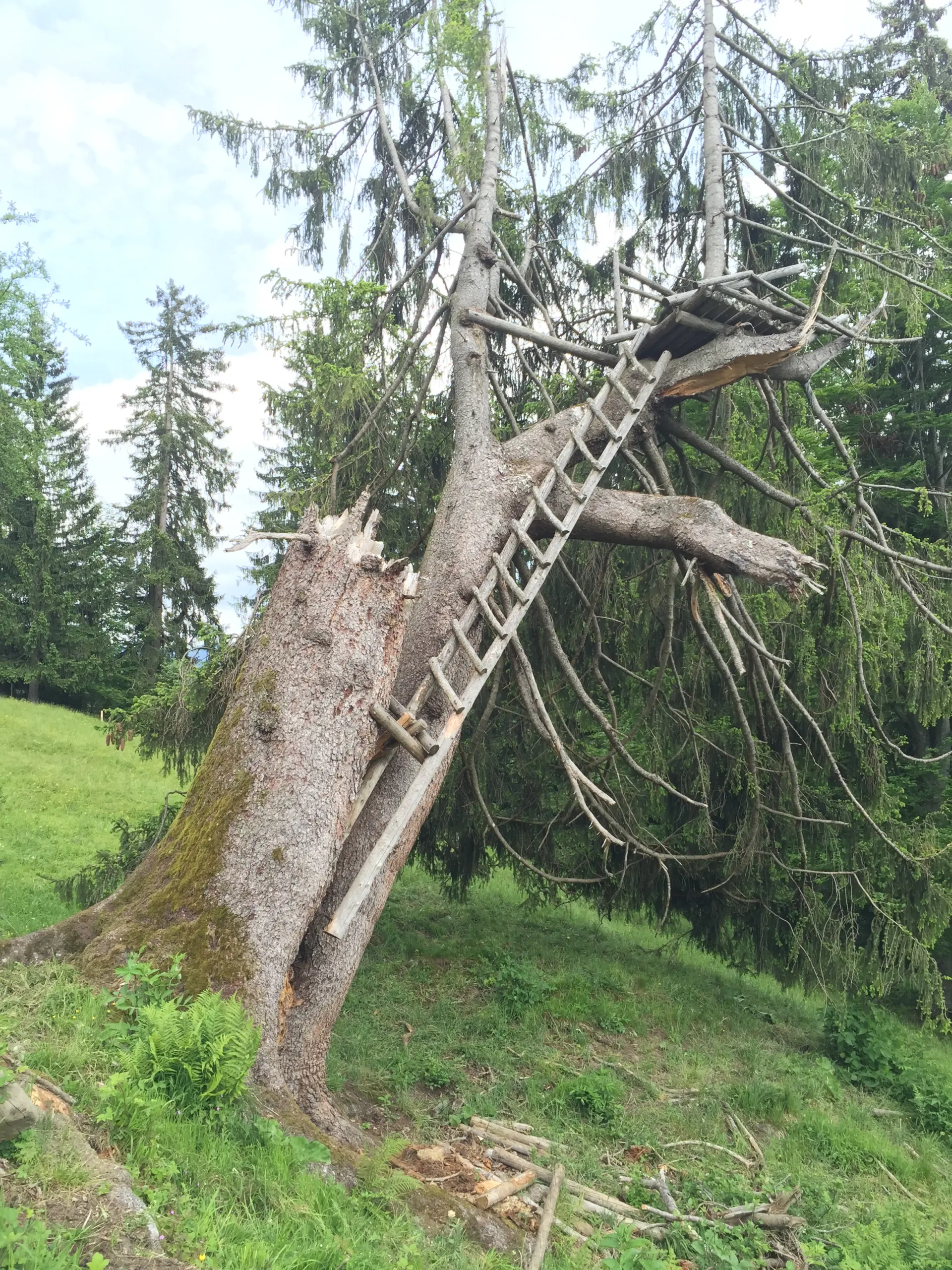
A healthy tree trunk should be solid, straight and free from large cracks or splits. If you notice a deep split or a long vertical crack, it could mean the tree is structurally weak. These cracks often develop after storm damage, heavy snow or strong winds. They can also indicate internal decay or disease. Left untreated, the tree may become unstable and eventually fall.
In some cases, splits can be treated with bracing or cabling to prevent further damage. A tree surgeon can inspect the crack and decide the best course of action. Trying to fix it yourself can make the problem worse. If the split is near the base of the tree, the danger is even greater. Regular checks are important, especially for older or larger trees. Ignoring these signs might lead to more costly repairs or even full removal later on.
The Tree Is Leaning More Than Before
Some trees grow with a natural lean, especially if they’ve had to compete for sunlight. However, if your tree starts leaning more than it used to, it could be a sign of root damage or soil movement. A sudden lean is especially worrying, as it may mean the tree is unstable and at risk of falling. This can be dangerous, particularly if the tree is near a house, footpath or road.
A tree surgeon can check the root system and soil condition to see what’s caused the shift. They may also brace the tree or recommend removal if it poses a threat. Trees with weak anchoring are more likely to come down in bad weather. Even if it looks stable now, a leaning tree shouldn’t be ignored. Acting quickly can protect your home, garden and anyone nearby from harm.
Fungi or Mushrooms Growing Around the Base
Fungi or mushrooms growing near the base of a tree may look harmless, but they can be signs of a bigger problem. Certain fungi, like honey fungus or bracket fungi, are linked to internal decay and root rot. If your tree is infected, its structure could be weakened from the inside out. This makes it more likely to fall over, especially during storms or strong winds. You might not notice any issues above ground until it’s too late.
A tree surgeon can identify the type of fungi and check for hidden rot. If caught early, some trees can be treated or managed to reduce the risk. In serious cases, removal might be the only option. Don’t try to remove the mushrooms yourself without advice. What’s underneath the soil matters more than what you can see. Expert help ensures you take the right steps for safety and tree health.
Branches Are Close to Power Lines or Buildings
Branches hanging near power lines or buildings are more than just a nuisance. They pose a serious safety risk. In windy conditions, these branches can snap and cause property damage, electrical outages or even fires. If the branches touch a power line, it can also be dangerous to people and animals. It’s important not to attempt trimming near power lines yourself, as it can be life-threatening without proper training and tools.
A qualified tree surgeon is trained to handle this type of high-risk work safely. They can also shape the tree to encourage healthy growth in a direction away from hazards. Keeping a safe distance between trees and buildings also helps prevent blocked gutters, roof damage and pests. Regular pruning is key for trees in built-up areas. If a tree is already growing too close, call an expert before it becomes an emergency.
Storm Damage You Are Not Sure How to Fix
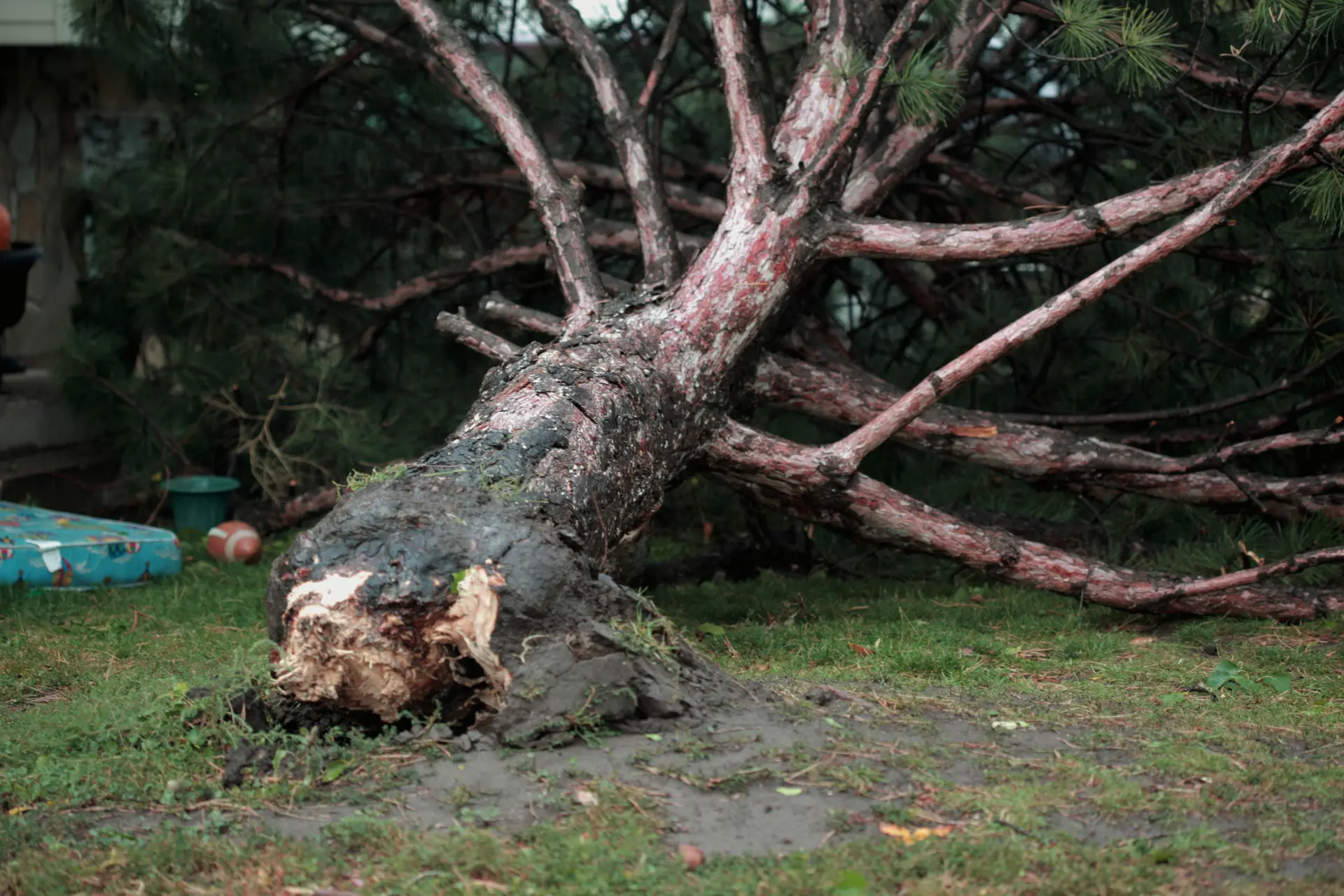
After a storm, it’s common to find trees with broken branches, torn bark or snapped trunks. Even if the damage doesn’t look too bad, the tree could be weakened or unsafe. Small breaks can expose the tree to disease or pests, while larger wounds might affect its structure. If you’re unsure how serious the damage is, a tree surgeon can help. They’ll inspect the tree and carry out any necessary pruning, bracing or removal.
Trying to fix storm damage yourself can lead to further harm or injury, especially if ladders or chainsaws are involved. A professional will also check for hidden problems, like damage to the root system or internal decay. Acting quickly after a storm can save a tree or reduce the need for future work. Don’t leave damaged trees unchecked, especially near buildings or public areas.
Roots Lifting Paths, Drives or Walls
Tree roots spread widely underground, often far beyond the canopy. In some cases, they can lift paving stones, crack walls or damage driveways. This not only affects the look of your garden but can also create trip hazards and costly repair jobs. If you notice raised slabs or cracks near a tree, the roots may be to blame.
Don’t cut roots without advice, as it can harm or even kill the tree. A tree surgeon can assess the situation and suggest ways to manage the roots safely. This may involve root pruning, installing barriers or changing the landscape. In serious cases, tree removal might be needed, but this is usually a last resort. Ignoring the issue can make the damage worse over time. Acting early keeps both the tree and your property safe.
Your Tree Looks Unhealthy Compared to Others
If your tree looks less healthy than others nearby, something could be wrong. Signs of poor health include yellowing leaves, thin foliage, early leaf drop, and stunted growth. Sometimes, pests or disease are to blame.
Other times, it may be poor soil, lack of water or damage to the roots. A tree surgeon can identify the cause and recommend treatment. This might involve fertilising the soil, improving drainage or applying treatments for pests. Left unchecked, an unhealthy tree can decline quickly, especially if it’s already stressed. It could also spread disease to nearby trees or plants. Regular health checks help catch problems early and extend the life of your tree. A healthy tree adds beauty and value to your garden. If yours stands out for the wrong reasons, it’s time to get it looked at.
Overgrown Trees Blocking Light or Views
Overgrown trees can block natural light from your home or garden, making rooms darker and outdoor spaces less pleasant. They might also hide views you used to enjoy or create unwanted shade on your lawn. If a tree has become too large or dense, a tree surgeon can reshape it without harming its health. This process is known as crown reduction or thinning. It helps manage size, improve light levels and reduce weight on heavy branches.
Doing this yourself may result in poor cuts or long-term damage to the tree. Proper pruning keeps the tree strong and looking its best. It also helps prevent future issues, like branches growing too close to structures. Don’t wait until the tree becomes a problem for neighbours or breaks local rules. Regular maintenance ensures the tree fits its space while staying safe and healthy.
You Are Planning Building Work Near a Tree
If you’re planning to build an extension, patio or any new structure near a tree, you need to consider its roots and canopy. Construction work can damage roots or compact soil, putting the tree at risk. In some cases, planning rules may also require a tree report.
A tree surgeon can help by checking the health of the tree and advising on how to protect it during building work. They may recommend root protection zones, pruning or even temporary fencing. This prevents problems down the line and keeps both your tree and new building safe. If ignored, tree damage during building work can lead to safety issues, costly repairs or even legal trouble. Getting expert advice early can save time and money. It also helps you make the most of your space without harming nature.
Ready to improve the safety, health, or appearance of your trees? Contact Treetops Tree Surgery today for expert advice, a free consultation, and reliable tree care services across Maidstone and the surrounding areas. Your trees are in the safest hands.